

Key Takeaways
- Storage temperature, pre-service temperature, and the temperature of wine in the glass are not necessarily the same.
- Red or white is only part of the picture. Body, age, structure, the menu, and room temperature also matter.
- Not every red wine needs decanting. Opening and tasting the wine first is often the more reliable approach.
- Keep the first wines you plan to serve separate from your backup bottles. Backup wine can be brought to a useful temperature without being opened.
- Let the menu and the intensity of the wines guide the serving order rather than following a rigid rule that every white must come before every red.
- Open red wine can also be resealed and refrigerated after dinner to slow oxidation.

Your guests are arriving at 6:00 p.m. At 5:40, the oven is still running, the appetizers are not quite ready, and you suddenly realize the sparkling wine has not been chilled. The white is warmer than you intended, and you are still wondering whether the red for the main course should be decanted. To be safe, you open a few backup bottles, only to find that two are never poured.
Wine problems at a dinner party rarely happen because the host knows too little about wine. More often, the bottles are well chosen but are not in the right condition at the right time. Serving wine involves more than removing a cork and filling a glass. It starts with deciding what each bottle is for, then thinking through temperature, decanting, serving order, refills, and what to do with any wine left at the end of the evening.
A clear timeline may sound formal, but it simply reduces the number of decisions you need to make once your guests arrive. There is less time spent searching through the kitchen, improvising ways to chill a bottle, or stepping away from the table to prepare the next wine. Good wine service should quietly support the meal, not compete with it.
The Day Before: Give Every Bottle a Job
The most useful task the day before dinner is deciding what role each bottle will play. If the bottle count is not settled yet, work out how much wine you need for a dinner party before assigning each bottle a role.
Divide the lineup into four groups: welcome wine, dinner wine, after-dinner or dessert wine, and backup wine. A welcome wine covers the time between the first guest arriving and everyone sitting down to eat. It should be easy to serve without overwhelming the wines planned for later. Dinner wines should work with the main dish, sauces, and important side dishes. Dessert or after-dinner wine can remain unopened until that stage of the evening. Backup bottles are there in case guests drink more than expected or would prefer something different.
The distinction that matters is between a bottle being ready and a bottle being open. A backup white or sparkling wine can be chilled in advance without being uncorked. A backup red can be kept somewhere cool enough that it will not become overly warm. If the first bottles are enough, the backups remain sealed and can simply return to storage after dinner.
When deciding the serving order, look beyond the name of the main course. Sauces, herbs, sweetness, acidity, and fat may influence a pairing as much as the central ingredient. Roast chicken with a light herb sauce presents a different pairing question from chicken served with a rich cream sauce. Beef with a noticeably sweet glaze also calls for more thought than the familiar shorthand of “red wine with red meat.”
You do not need a different wine for every course, either. If one bottle works comfortably with both the appetizer and the main dish, keeping it in service can make dinner feel more cohesive. A larger lineup is not automatically more sophisticated. Each bottle should have a clear reason for being there.
Use this stage to inspect the bottles and gather the basic tools. Confirm that you have selected the correct wines and vintages and that the closures appear sound. If an older bottle may contain sediment, stand it upright in advance and avoid unnecessary movement. Make sure you have a dependable corkscrew, clean glasses, an appropriate stopper, and a decanter if one may be needed. The goal is simply to avoid last-minute confusion, not to turn dinner at home into a formal sommelier exercise.
Four to Six Hours Before: Start Adjusting Temperature
It is easy to assume that the number displayed on a wine fridge is the temperature at which every bottle should be poured. In practice, three different temperatures are involved. If you are still determining the right storage setting, start with this guide to setting your wine fridge temperature.
Storage temperature provides a stable environment for the wine before it is needed. Pre-service temperature accounts for the warming or cooling that happens after the bottle leaves storage. Drinking temperature is the temperature at which the wine begins to show its aromas, structure, and texture in the glass.
Long-term storage places greater emphasis on stability, while serving temperature depends more on the style of wine. The traditional idea of serving red wine at “room temperature,” for example, generally refers to cooler conditions than those found in many modern homes. A kitchen with an active oven may be considerably warmer than the environment in which a red wine will taste balanced.
The following ranges are useful starting points rather than fixed rules:
| Wine Style | Approximate Serving Range | What to Watch For |
|---|---|---|
| Sparkling wine | 41–50°F / 5–10°C | Chill thoroughly and manage warming after service. |
| Light white wine and rosé | 43–50°F / 6–10°C | Avoid over-chilling and muting the aromas. |
| Full-bodied white wine | 50–55°F / 10–13°C | Usually needs less chilling than a light white. |
| Light- to medium-bodied red wine | 55–61°F / 13–16°C | May benefit from light chilling in a warm home. |
| Full-bodied red wine | 59–64°F / 15–18°C | Excessive warmth can make alcohol more prominent. |
Use the producer’s recommendation when one is available. Vintage, body, winemaking style, indoor temperature, and personal preference can all affect the best result, so there is little value in chasing one exact number for every bottle. The practical goal is to avoid the extremes: whites and sparkling wines so cold that their aromas are muted, and reds so warm that their freshness and structure begin to blur.
Red wine deserves particular attention because “room temperature” is often misunderstood. Light-bodied, lower-tannin reds may show well with a gentle chill. Even a fuller red may benefit from a brief temperature adjustment if it has been sitting in a warm kitchen. If the bottle feels warm rather than cool, do not assume it is ready simply because it is red.

A wine fridge provides a stable starting point. A dual-zone wine fridge can make a mixed lineup easier to manage, but two temperature zones do not eliminate the need for final adjustments. The display, bottle surface, and wine itself may not be at exactly the same temperature. Once poured, the wine will also continue moving toward room temperature.
This is also a good time to separate the bottles planned for service from the backups. Chill backup whites and sparkling wines so they can be served without a long delay, and keep backup reds away from the warmth of the kitchen. Leave them sealed. If they are needed, they will be ready. If not, they can simply return to storage.
For hosts who regularly serve both white and red wines, separate temperature zones can make the preparation stage easier by keeping different bottle styles organized and stable before their final serving adjustments.
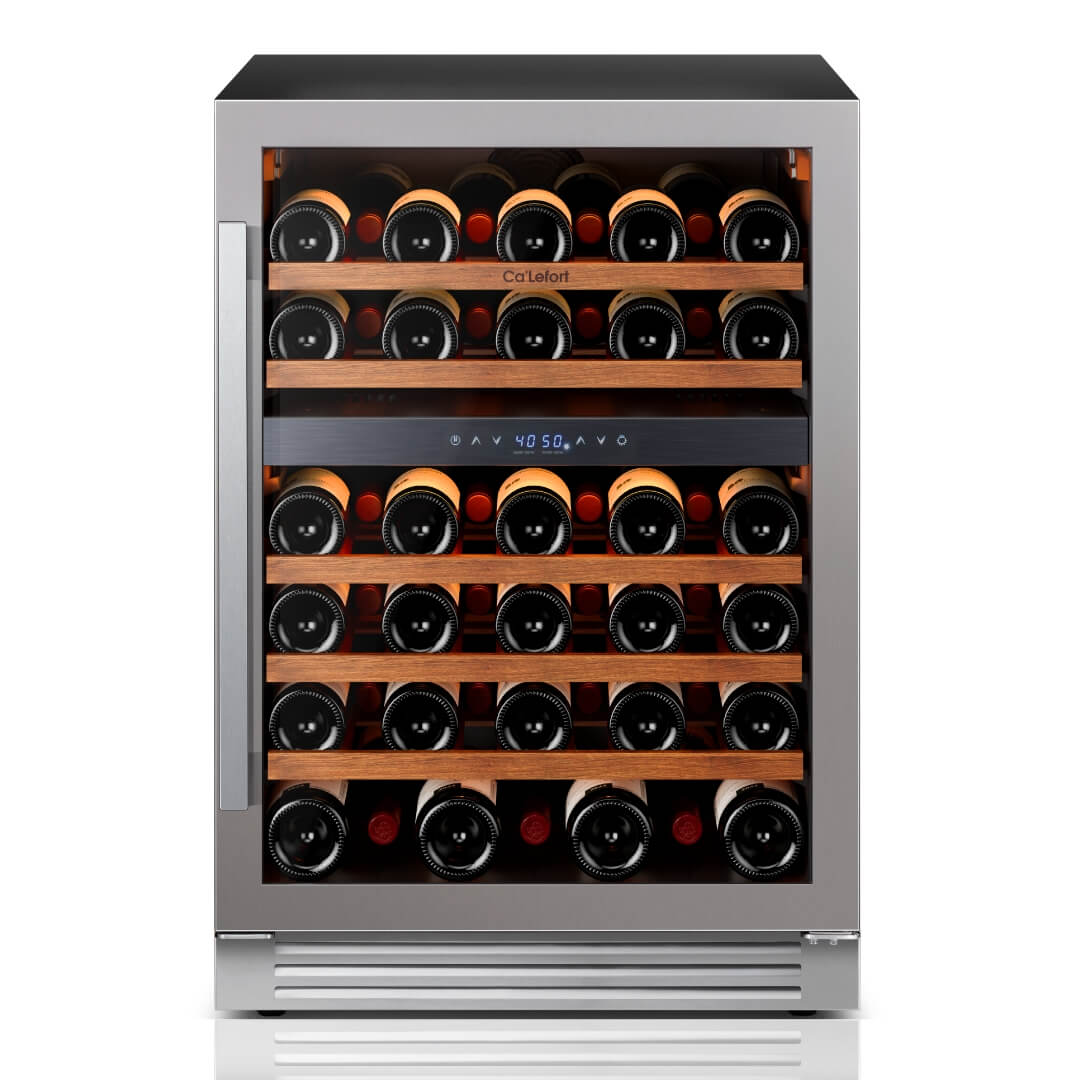
Ca'Lefort 24 inch Dual Zone Wine Fridge
One to Two Hours Before: Decide What Actually Needs Decanting
“Decant every red an hour before dinner” sounds convenient, but wine does not always behave that predictably.
Before reaching for a decanter, consider its two main purposes. The first is to increase the wine’s exposure to air, which may help some young, structured wines that seem closed when first opened. The second is to separate clear wine from sediment that has formed during bottle aging. Both involve transferring wine to another vessel, but the reasons for doing so are different.
When aeration is the goal, pay attention to how the wine develops after opening. A young, firm wine may reveal more aroma and become better integrated with time. A mature or delicate bottle may respond very differently, with fragile aromas beginning to fade after prolonged exposure to air.
When sediment is the concern, handle the bottle as gently as possible. After it has stood upright long enough for the sediment to settle, open it carefully and pour slowly into the decanter, using a light behind the neck if necessary. Stop when the sediment begins to approach the neck. Here, the goal is not aggressive aeration. It is simply to leave the deposit behind.
Most filtered wines intended for relatively early drinking are unlikely to require decanting for sediment. Price, color, and age alone are not enough to tell you whether a wine should be decanted. An expensive bottle is not automatically improved by several hours in a decanter, and an older wine may be more vulnerable to excessive air than a young one.
At home, the most dependable approach is to open, taste, and then decide. Pour a small amount and consider whether the wine seems closed, unusually tight, or already balanced. Taste it again after a short interval. If it is opening naturally in the glass, a decanter may not be necessary. If it remains firm and reserved, giving it more air may help.
White wine should not be ruled out automatically. Some young, oak-influenced, or structurally complex whites may benefit from air, while mature whites may require more careful handling. Temperature adds another consideration because wine in a broad decanter can warm more quickly than wine in a bottle. Keep the decanter away from sunlight, the oven, the stovetop, and other warm areas.
Thirty Minutes Before: Prepare Only the First Round
With half an hour remaining, resist the temptation to place the entire lineup on the table. Confirm the first wine needed for the welcome period or appetizer, set out the appropriate glasses, and leave the later wines sealed.
Putting every bottle on display may look prepared, but it can create unnecessary problems. Wine warms, the table becomes crowded, and a guest may open a bottle intended only as a backup. Dinner tends to run more smoothly when only the bottles needed for the current stage are in active service.
Make one final temperature check. If a white is too cold, take it out and allow it to warm gradually. If a red has been sitting in a warm kitchen, cool it gently for a short period. Keep sparkling wine chilled until close to opening. If a bottle has been decanted, consider both its development and its temperature rather than relying only on the clock.
There is usually no need for an extreme last-minute correction. Small adjustments and a little time are often enough.
It can also help to create three simple service areas. Keep only the wine currently being served, along with water, on the dining table. A nearby counter or home bar can hold the next bottle, corkscrew, napkin, and decanter. Backup bottles stay in stable storage. This arrangement keeps the table uncluttered and prevents the host from repeatedly moving through the main cooking area.
When Guests Arrive: Let the Wine Follow the Dinner
The welcome wine should ease guests into the evening. It does not need to dominate the first conversation or become a formal presentation. A moderate first pour helps the wine stay closer to its intended temperature and gives guests room to decide what they would like next.
People will not all drink at the same pace. One guest may still be enjoying the welcome wine when another is ready for the first course. Someone else may prefer water or a nonalcoholic drink. A dinner at home does not require everyone to finish one wine and move to the next at exactly the same time.
Once dinner begins, let the menu guide the serving order. A useful progression often moves from lighter and fresher wines toward fuller or more structured ones, and from dry wines toward sweeter styles. But the food should lead. If the meal does not progress neatly from light to rich, the wines may not need to follow that pattern either.
Do not switch wines simply because another bottle is waiting. Open the next one when the food moves into a different flavor profile, when the current wine no longer fits, when the first bottle is nearly empty, or when guests genuinely want to try another style. If the wine already in the glass works with the next course, allowing it to continue can make the meal feel more connected.

The decision to open a backup bottle should depend on what is actually happening at the table. Consider how much wine remains, how quickly guests are drinking, how many stages of the meal are left, and how many people have chosen beer, cocktails, or nonalcoholic options. A backup should be ready, but it only needs to be opened when there is a clear reason.
Pour size matters, too. Once wine enters the glass, it begins moving toward room temperature. A large pour of sparkling or crisp white wine may become noticeably warmer before it is finished. Red wine can also lose definition or show more alcohol if it sits too long in a warm room. Smaller pours with thoughtful refills often work better than repeatedly checking the wine with a thermometer.
Through all of this, the wine fridge and home bar can serve as a quiet backstage area. The next bottle can be brought out when it is needed, while backups remain in suitable conditions. Guests do not need to move through the kitchen, and the host does not have to search among food, cookware, and drinks.
When the setup works, the service feels natural. Most guests will never notice how many small decisions were made before they arrived, and that is often the best sign that the plan worked.
After Dinner: Take Care of Open Bottles First
As the evening winds down, check the open bottles before leaving everything for the next morning. Reseal any wine that remains and note when it was opened. Still wine can be closed with its original closure or a suitable wine stopper. Sparkling wine should be secured with a proper sparkling-wine stopper designed to hold pressure.
Red wine can also go into the refrigerator after opening. The idea is not to turn it into an ice-cold red. Cooler temperatures simply slow chemical changes, including oxidation. When you are ready to drink it again, allow it to warm gradually according to its style.
There is no single rule for how long an opened bottle will last. The wine’s structure, the amount left in the bottle, the closure, and storage conditions all influence how quickly it changes. When reopening it, smell and taste the wine before deciding whether to serve it again. A wine that has lost some freshness but shows no obvious fault may still be useful for cooking. If it has developed clearly unpleasant aromas or flavors, there is little reason to save it simply because it falls within a suggested number of days.
A Complete Wine Timeline for Guests Arriving at 6:00 p.m.
| Time | Main Task | Key Decision |
|---|---|---|
| The day before | Confirm the menu, bottle roles, and equipment. | Which wines are planned for service, and which are backups? |
| Four to six hours before | Check and adjust temperatures. | Are storage temperature and serving temperature being confused? |
| One to two hours before | Open, taste, and decide whether to decant. | Does the wine need air, sediment separation, or neither? |
| Thirty minutes before | Prepare the first bottle, glasses, and service area. | What is actually needed for the first round? |
| When guests arrive | Pour the welcome wine moderately. | What are guests choosing, and how quickly are they drinking? |
| During dinner | Follow the menu and the intensity of the wines. | Is changing to another wine genuinely necessary? |
| As bottles empty | Decide whether to open a backup. | Is the current supply enough for the rest of the meal? |
| After dinner | Reseal and refrigerate remaining wine. | Is the wine suitable for drinking or cooking later? |
Good Wine Service Keeps Wine From Interrupting Dinner
A dinner at home does not need every ritual of restaurant wine service. What matters is making a few useful decisions before the evening begins: which wines will definitely be served, which are only backups, which bottles need a temperature adjustment, which should be tasted before decanting, and when another bottle is genuinely needed.
Once those decisions are placed on a timeline, there is much less to manage after the doorbell rings. The white is chilled without being muted, the red has enough time to be assessed, and the backup bottles are ready without being opened unnecessarily. The wine fridge, home bar, and dining table become part of one natural hosting flow rather than three separate areas to manage.
When it is finally time to raise a glass, the best result is not that everyone notices how carefully the wine was served. It is that the conversation keeps going, the food is still hot, and each bottle arrives when it belongs.
Frequently Asked Questions
1. Do I need a different wine glass for every wine at a dinner party?
No. For most dinner parties, a clean, odor-free universal wine glass with a moderately wide bowl and slightly narrower opening will work well for many red and white wines.
A fresh glass is more useful when moving between substantially different styles, such as from a powerful red to a delicate white, sparkling wine, or dessert wine. For similar wines, changing glasses after every bottle usually adds more clutter than value.
2. Do I need a dual-zone wine fridge for dinner parties?
Not necessarily. If you entertain occasionally and keep a relatively small collection, a single-zone wine fridge combined with short-term warming or chilling can still support a mixed wine lineup.
A dual-zone wine fridge becomes more useful when you regularly store reds, whites, and sparkling wines or often serve several styles during the same meal. It provides more suitable starting conditions, although individual bottles may still need final temperature adjustments before serving.
3. Can I still serve the wine if the cork breaks?
Usually, yes. A broken cork does not automatically mean the wine is corked or spoiled. If part of the cork remains in the neck, remove it carefully with a suitable cork puller rather than pushing the entire cork into the bottle.
If small fragments fall into the wine, pour it slowly through a clean, fine-mesh strainer into another clean container. Filtering can remove solid pieces, but it cannot correct cork taint, so smell and taste the wine before serving.
4. Does the shape of a wine glass really affect the wine?
Yes. The shape of the bowl and opening can influence how aromas collect, how much air reaches the wine, and how the wine enters the mouth. The same wine may therefore feel somewhat different in two glass shapes.
Still, a dinner party does not require a separate glass for every grape variety. A clean, odor-free universal wine glass with enough room to swirl is more useful than a large collection of specialized glasses crowding the table.
5. Is sediment in wine harmful?
Wine sediment is generally not a safety concern. Mature reds, vintage Port, and minimally filtered wines may naturally form deposits from pigments, tannins, and other solids. The sediment is usually harmless, although its texture can be bitter, astringent, or gritty.
If a bottle is likely to contain sediment, stand it upright in advance and pour it carefully into a decanter, stopping before the deposit reaches the neck.


