

Key Takeaways
- A successful dry-aged steak dinner depends on more than choosing the steak. The sides, wine, sauce, and serving timing should work together while keeping the beef at the center of the meal.
- Dry-aged beef can develop concentrated nutty, roasted, earthy, and deeply savory notes, depending on the cut, aging conditions, and length of aging.
- Avoid making every part of the meal equally rich. Heavy sauces, rich sides, and powerful wines can compete with the more nuanced character of dry-aged beef.
- Wine pairing should consider more than the steak alone. The cut, aging period, sauce, and overall menu can all influence which bottle works best.
- Decanting should be treated as a wine-specific decision rather than an automatic step for every steak dinner.
- Plan the menu and serving sequence so the sides and wine are ready when the steak is, rather than leaving the beef waiting while the rest of the meal catches up.
- The dinner can be adapted to the number of guests, the season, the steak selected, and whether the meal is served indoors or outdoors.

Choosing a good dry-aged steak is only the beginning. Planning the rest of the dinner brings a few more decisions. Which sides will complement the beef without overpowering it? Should you choose the wine based on the cut, the aging period, or the sauce? Does the bottle need decanting? And how do you get everything to the table while the steak is still warm?
A memorable steak dinner comes together when the steak, sides, wine, and timing work in harmony, with the beef remaining the focus.
Dry aging can give beef a more concentrated character. Depending on the cut, aging conditions, and length of the process, the meat may develop nutty, roasted, earthy, or deeply savory notes. These flavors can become harder to appreciate when the sauce, sides, and wine are all equally rich.
This guide offers a flexible approach to planning a dry-aged steak dinner at home. Whether you're cooking for two or hosting a larger gathering, you can adapt the menu to your guests, the steak you've chosen, the season, and where the dinner will be served.
Start With the Structure of the Dinner
Before deciding how to cook the steak, think about how many people you're serving and whether you want individual portions or a larger cut to share. Your kitchen matters, too, especially if you're preparing several thick steaks at once.
For dinner for two, you might cook one New York strip per person or share a thick ribeye. For four to six guests, cooking individual steaks can become more challenging. Limited burner space, fluctuating pan temperatures, smoke, and uneven timing can make it difficult to serve everything together. A large porterhouse, bone-in ribeye, or another sharing cut may be easier to manage.
Think about portions in the context of the whole meal. If steak is the only main course, approximately 8 to 10 ounces of raw boneless beef per person is a useful starting point. Bone-in cuts need extra allowance for the bone and trimming. Add an appetizer, substantial sides, and dessert, and smaller portions may be enough. The concentrated flavor of dry-aged beef can make a moderate serving particularly satisfying.
A simple menu usually works best: steak, one starch, one vegetable, and a sauce or finishing element. If you'd like an appetizer, keep it light. A bitter-green salad, a small serving of pickled vegetables, or a chilled dish can prepare the palate without adding too much richness before the main course.
Choose a Cut That Fits the Dinner
The cut influences more than tenderness. It also shapes how you cook the steak, which sides will complement it, and the type of wine you'll want alongside it.
Ribeye: For a Rich, Centerpiece Dinner
Ribeye's generous marbling and pronounced beef flavor make it well suited to dry aging. It works well with high-heat searing, charcoal grilling, or reverse searing. A thick or bone-in ribeye can also be sliced and shared, making it a natural centerpiece for a fall or winter dinner.
Its richness calls for wine with enough acidity and structure to keep the palate refreshed. That doesn't necessarily mean choosing the boldest red available. A ripe, high-alcohol wine with limited acidity can make the pairing feel too heavy.
New York Strip: A Balance of Flavor and Control
Strip steak has a pronounced beef flavor and enough fat to remain satisfying, with less richness than ribeye. It's easy to portion for individual plates and gives you more flexibility with sides and wine.
Cabernet Sauvignon is a familiar pairing, but Rioja, Malbec, Cabernet Franc, and Sangiovese-based wines are also worth considering. If the menu includes tomatoes, roasted vegetables, or herbs, a wine with lively acidity may bring the meal together more naturally than one chosen mainly for intensity.
Porterhouse: Designed for Sharing, but Harder to Cook Evenly
A porterhouse combines strip and tenderloin, two muscles with different levels of fat, texture, and heat tolerance. If you cook the whole steak according to the strip's timing, the leaner tenderloin may become overdone first.
Indirect heat and careful temperature monitoring can help you manage both sides. You can also reposition the steak during cooking to protect the tenderloin from the strongest heat.
At the table, remove both sections from the bone and slice them across the grain. This keeps the presentation appealing while allowing guests to enjoy the different textures.
Leaner Cuts Need a More Careful Wine Choice
Leaner steaks have less fat to soften the perception of strong tannins. When dry aging adds noticeable umami, a young, heavily oaked red with firm tannins may taste more bitter or drying than expected.
WSET recognizes umami as an important consideration in food and wine pairing. It can make a wine seem less fruity while bringing its acidity, bitterness, or astringency forward.
For leaner dry-aged cuts, look for fine tannins, clear fruit, and balanced acidity. Mature Rioja, Cabernet Franc, Pinot Noir, or a Sangiovese-based wine with some bottle age can be thoughtful choices.
| Steak Cut | Fat Level | Flavor Intensity | Cooking Difficulty | Best Dinner Format | Wine Direction |
|---|---|---|---|---|---|
| Ribeye | High | High | Moderate | Shared or individually plated | Cabernet Sauvignon, Syrah, or Nebbiolo |
| New York Strip | Moderate | Medium to high | Lower | Individually plated | Rioja, Malbec, or Cabernet Franc |
| Porterhouse | Uneven | High | Higher | Shared | Bordeaux blend, Brunello, or mature Syrah |
| Tenderloin | Low | More delicate | Moderate | Formal individual plates | Pinot Noir, Cabernet Franc, or mature Rioja |
Aging Time Matters, but It Is Not a Quality Score
It's easy to assume that a steak aged for more days must be better. In reality, the number tells you how long the aging process lasted, not necessarily how good the finished steak will be.
Breed, cut, marbling, initial meat quality, temperature, humidity, airflow, trimming, and the consistency of the aging environment all shape the result. Two steaks aged for 35 days may differ noticeably in flavor, texture, and moisture loss.
For menu planning, focus on flavor intensity rather than the day count alone. A mildly aged steak may retain plenty of familiar beef character and work well with brighter sides and fruit-forward wine. One with pronounced nutty, roasted, and savory notes may benefit from a wine with more structure and developed aromas.
When the aged character is especially intense, keep the sauce and sides simple so the flavors complement rather than compete with one another.
This is also why a heavy marinade is usually unnecessary. Too much sugar, soy sauce, or strong seasoning can cover the flavors developed during aging. Sugar may also burn under the high heat needed for a well-browned crust.
Salt, pepper, and an appropriate cooking fat are often enough, with garlic, herbs, or butter added later in the cooking process.
Cook by Temperature, Not by Memorized Timing
Dry-aged steak typically has a drier surface, which can help it develop a good crust. Careful heat control is still important, though. A rule such as "three minutes per side" doesn't account for steak thickness, starting temperature, cookware, burner output, or the presence of a bone.
A thinner steak can be seared quickly in a heavy pan. A thick ribeye or strip often benefits from reverse searing, where gentle heat gradually brings the interior toward the desired temperature before a high-heat finish creates the crust.
A large porterhouse requires extra attention because the bone, strip, and tenderloin heat at different rates.
An instant-read thermometer is one of the most useful tools for cooking steak consistently. Insert it into the thickest part of the meat, avoiding the bone and large pockets of fat.

The USDA recommends cooking whole beef steaks to a minimum internal temperature of 145°F (approximately 63°C), followed by a rest of at least three minutes before cutting or eating.
Remember that the steak continues cooking after it leaves the heat. This carryover cooking can raise the internal temperature further, so account for it when deciding when to remove the steak.
Resting allows the temperature within a thick steak to become more even and helps reduce moisture loss when cutting. Slice a sharing steak across the grain shortly before serving. Individual steaks can remain whole, allowing each guest to cut at their own pace.
Build the Sides Around Contrast
The best sides give the steak contrast rather than competition. Instead of putting every steakhouse classic on the table, choose a few dishes that bring different flavors and textures to the meal.
Start with something fresh. Bitter greens, citrus, vinaigrette, or lightly pickled vegetables bring acidity and crunch, helping refresh the palate between bites of rich beef.
Next, add something more substantial. Roasted potatoes, mashed potatoes, polenta, or roasted root vegetables can make the meal feel complete. One satisfying starch is usually enough, especially when serving a well-marbled steak. It doesn't necessarily need to be loaded with cream or cheese.
Savory accompaniments can also work beautifully. Roasted mushrooms, caramelized onions, or a light mushroom sauce can complement the nutty and earthy notes of dry aging.
Balance matters when combining these dishes. Creamy potatoes, creamed spinach, mushroom sauce, blue cheese, and a full-bodied red may each be appealing on their own, but together they can make the meal feel unnecessarily heavy.
The sauce can also guide your wine choice. Peppercorn sauce suits the black-pepper notes of Syrah, while chimichurri brings herbs and acidity that work with Malbec or Cabernet Franc.
Mushroom sauce can complement the earthy, mature notes of Pinot Noir, Nebbiolo, or aged Rioja. With blue cheese, choose a wine with enough fruit and structure to balance its saltiness and intensity.
How to Pair Wine With Dry-Aged Steak
Red wine is a natural starting point for steak, but the best pairing depends on more than the color of the meat. Consider the fat, the savory character developed during aging, the cooking method, and the sauces and sides on the plate.
Begin With Fat and Tannin
The fat and protein in ribeye can soften the perception of firm tannins, allowing the cut to pair well with young Cabernet Sauvignon, Bordeaux blends, Syrah, or Nebbiolo.
Acidity still matters. A wine dominated by ripe fruit, high alcohol, and heavy oak can feel overwhelming beside an already rich steak.
Strip steak and tenderloin call for a slightly different approach. With less fat to soften the tannins, the wine's structure becomes more noticeable. Savory notes from dry aging can also affect how fruity the wine tastes.
A wine with freshness, aromatic detail, and refined tannins may create a more balanced pairing than one chosen mainly for its intensity.
Consider the Intensity of the Aged Flavor
A mildly dry-aged steak can pair well with fruit-forward Malbec, Rioja, or Cabernet Franc. As the nutty, earthy, and roasted notes become more pronounced, wines with spice, tobacco, leather, or bottle-aged complexity may be more suitable.
Stronger steak flavor doesn't automatically call for a younger, more tannic wine. When savory notes are particularly prominent, a mature red with softened tannins and developed aromas may complement the meat more naturally.
Match the Cooking Method
Charcoal grilling adds smoke and a more pronounced char. Syrah, Cabernet Sauvignon, and oak-aged Rioja can complement these qualities through their pepper, smoke, spice, or cedar notes.
A pan-seared steak finished with butter, garlic, and herbs may pair particularly well with mature Rioja, Brunello, or Cabernet Franc, where acidity and aromatic detail help balance the richness.
Sauces also influence the pairing. A sweet sauce benefits from a wine with enough ripe fruit to maintain balance. Chimichurri favors freshness and herbal notes, while blue cheese calls for fruit concentration and structure rather than strong tannins alone.
Wine Pairing by Cut
Ribeye
Cabernet Sauvignon, Syrah, Nebbiolo, and structured Bordeaux blends are all good starting points. Ribeye's marbling can support firmer tannins, while notes of black fruit, pepper, tobacco, cedar, and spice complement the browned crust and dry-aged flavor.
With mushrooms or root vegetables, consider Nebbiolo or Rioja with some bottle age. For charcoal-grilled ribeye with black pepper, Syrah can be a particularly fitting match.
New York Strip
Strip steak works with a broad range of wines. Rioja Reserva brings acidity, spice, and mature savory notes, while Malbec offers generous fruit without necessarily having the firm tannins of a young Cabernet Sauvignon.
Cabernet Franc is especially useful when the menu includes herbs, roasted vegetables, or chimichurri.
If tomatoes or Mediterranean herbs are on the plate, Sangiovese or Brunello can provide the acidity needed to bring the wine and the rest of the meal together.
Porterhouse
A porterhouse calls for a wine that complements two different textures. A very light wine may struggle beside the rich strip and browned crust, while an intensely tannic young red can overpower the more delicate tenderloin.
Mature Cabernet Sauvignon, Bordeaux blends, Brunello, or developed Syrah can offer enough structure without overwhelming the meat.
Tenderloin and Other Lean Cuts
Pinot Noir, Cabernet Franc, mature Rioja, and medium-bodied Chianti Classico can be good choices for tenderloin and other lean cuts.
These wines offer acidity and fine tannins that complement the meat's more delicate flavor without overpowering it.

Adjust the Wine for the Season
The basic principles of wine pairing remain the same throughout the year, but the season can influence the sides, cooking method, serving conditions, and overall feel of the meal.
The same strip steak doesn't have to be served with the same wine at a summer cookout and a formal winter dinner.
Spring: Bring Herbs and Acidity Into the Menu
Spring menus often feature peas, asparagus, tender greens, vinaigrettes, and fresh herbs.
Cabernet Franc, Chianti Classico, Pinot Noir, or a fresher style of Syrah can complement the steak while allowing these lighter ingredients to shine.
Cabernet Franc works particularly well with herbs or green peppercorn sauce. Look for a wine with freshness and balanced herbal notes rather than an overly vegetal character.
Summer: Temperature Matters More Than Extra Weight
Summer steak dinners often move outdoors, with grilled corn, tomatoes, chimichurri, and lightly dressed vegetables on the menu.
Malbec, Rioja Crianza, and medium-bodied Syrah can complement grilled flavors without making the meal feel too heavy.
Warm weather can quickly affect a wine's serving temperature. A red left on a patio or dining table may become noticeably warmer, making its alcohol more prominent and its flavors less balanced.
WSET guidance places general red-wine serving temperatures around 55°F to 64°F (13°C to 18°C), with lighter reds typically served toward the cooler end.
Lightly chilling a red wine before an outdoor dinner can help. However, avoid serving highly tannic wines too cold, as lower temperatures can mute their aromas and make the tannins feel firmer.
Fall: A Natural Setting for Dry-Aged Flavor
Mushrooms, root vegetables, caramelized onions, and herb butter naturally complement the nutty, roasted, and earthy character of dry-aged beef.
Rioja Reserva, Cabernet Sauvignon, Nebbiolo, Syrah, and mature Bordeaux blends can all work well with these seasonal dishes.
Fall is also a good time to choose wines with some bottle development rather than relying on fresh fruit alone.
Notes of tobacco, leather, dried herbs, cedar, and savory spice can create a natural connection between the steak, its sides, and the season.
Winter: Richness Still Needs Acidity
Winter menus often include mashed potatoes, roasted root vegetables, and reduced sauces, making structured reds such as Cabernet Sauvignon, Bordeaux blends, Barolo, Brunello, or mature northern Rhône Syrah appealing choices.
Even with a richer meal, freshness matters. When the steak, sauce, sides, and wine are all heavy, the flavors can become tiring. Balanced acidity helps keep each bite enjoyable throughout dinner.

Choose a Wine Glass for Function, Not Display
A good glass can't turn an ordinary wine into a great one, but it can influence how you experience its aromas, temperature, and texture.
You don't need a separate glass for every grape variety. One well-made universal red-wine glass with a generous bowl and a slightly narrower rim can handle most home dinners.
Cabernet Sauvignon, Bordeaux blends, Malbec, and structured Syrah generally work well in taller Bordeaux-style glasses. The bowl provides room for the wine to interact with air, while the narrower rim helps concentrate its aromas.
Pinot Noir and mature reds with delicate aromas may benefit from a wider Burgundy-style bowl. This shape can help reveal layers of aroma, although bigger isn't always better. A high-alcohol wine served too warm in a very broad glass may emphasize alcohol rather than complexity.
Avoid filling the glass to the rim. Pouring below the widest part of the bowl leaves room for swirling and allows aromas to gather above the wine. Holding the stem also helps prevent your hand from warming it.
Before serving, make sure the glasses are free from detergent, cabinet, or towel odors. Even a carefully chosen wine can lose some of its appeal when unwanted smells interfere with its aroma.
Decant With a Purpose
Decanting serves two main purposes: separating an older wine from sediment and allowing a young, closed wine to interact with air.
Young Cabernet Sauvignon, Syrah, or Nebbiolo may become more expressive with some aeration. However, the appropriate amount of time depends on the producer, vintage, structure, and current condition of the bottle.
An approachable, fruit-forward everyday red may not need decanting at all.
Older wines require a little more care. WSET notes that decanting can help separate wines from significant sediment, while most everyday table wines are unlikely to need it for this reason.
A mature wine can also change quickly once exposed to air. Age alone shouldn't determine how far in advance you decant it.
Open the bottle, check its aroma and condition, and decide from there. A little attention before dinner is more useful than following the same decanting rule for every wine.
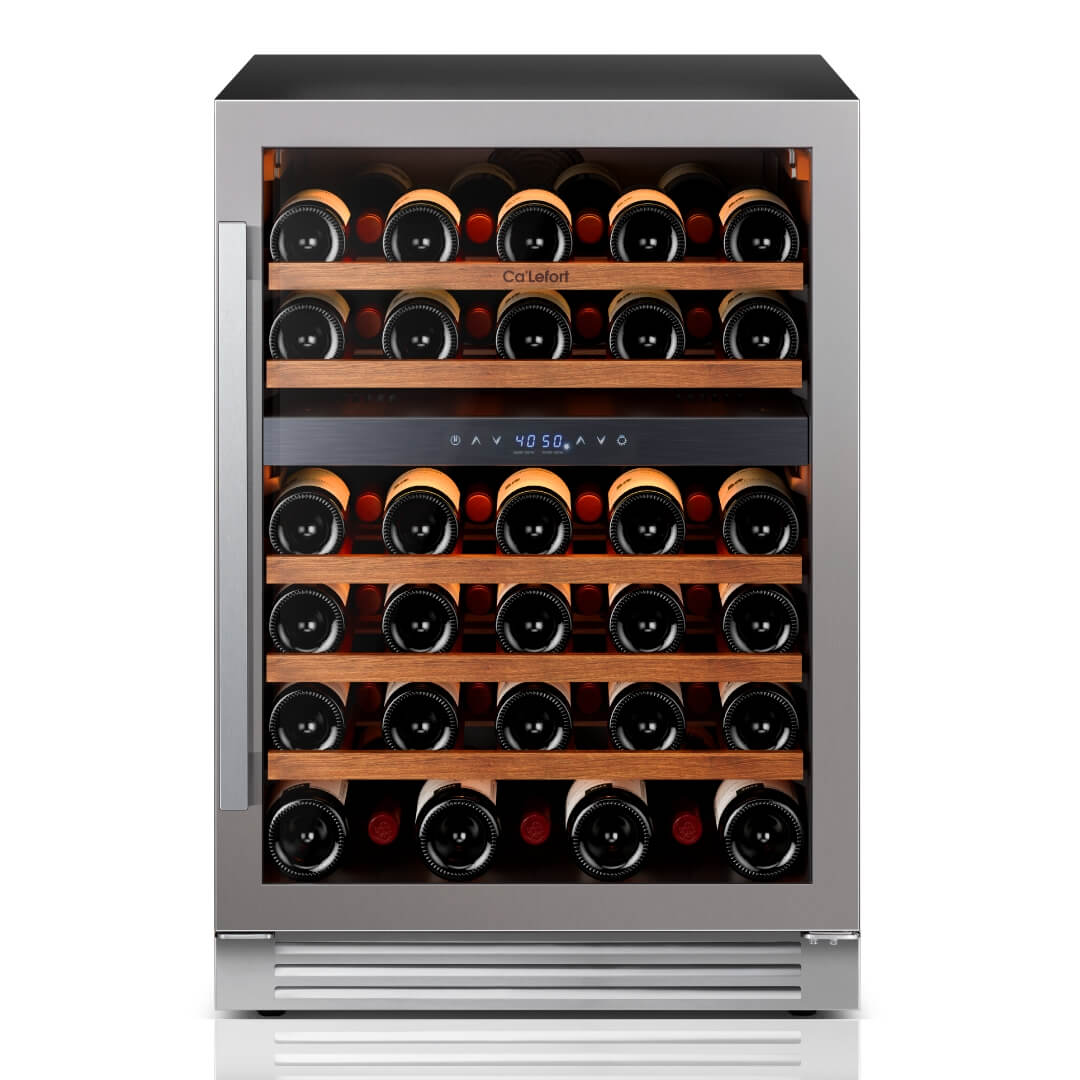
Ca'Lefort 24 inch Dual Zone Wine Fridge
Build One Timeline for the Entire Dinner
Planning the steak, sides, wine, and serving together keeps one part of the meal from waiting on another.
| Time | Main Tasks |
|---|---|
| 1–2 Days Before | Confirm the guest count, steak cut, sides, sauce, and wine. Check the thermometer, glassware, and cooking equipment. |
| About 24 Hours Before | Prepare the steak according to the selected seasoning method. Make any sauce base that can be prepared in advance. |
| 2–3 Hours Before | Check the wine temperature. Stand an older bottle upright if it contains sediment, and decide whether decanting is appropriate. |
| 60–90 Minutes Before | Prepare the sides, preheat the oven, grill, or cookware, and set the table. |
| About 30 Minutes Before | Finish cold sides and components that do not require reheating. Check the wine temperature again. |
| 15–20 Minutes Before Serving | Cook the steak and monitor its internal temperature with an instant-read thermometer. |
| While the Steak Rests | Finish the final hot side, sauce, and wine service. |
| At the Table | Slice the steak across the grain or plate it whole. Add the final seasoning and pour a moderate amount of wine. |
Use this as a guide rather than a strict schedule. Steak thickness, cooking method, and the complexity of your sides will affect the timing. A thick steak prepared using reverse searing, for example, needs more time than a thinner steak cooked in a pan.
What matters is knowing which tasks can be finished early and which need your attention just before serving.
The most common timing challenge isn't necessarily the steak itself. It's making sure the wine, sauce, and sides are ready when the steak has finished resting.
Decide Whether Dry Aging at Home Fits the Way You Cook
Buying dry-aged beef for an occasional dinner and aging it yourself are two different commitments.
If you prepare dry-aged steak only from time to time, purchasing properly aged and trimmed beef from a trusted butcher or supplier is usually the simpler choice.
Home dry aging may appeal more to enthusiasts who regularly cook this style of beef and want greater control over the cut, aging period, and flavor development.
The process requires careful management of temperature, humidity, airflow, cleanliness, meat quality, monitoring, and trimming loss.

A standard household refrigerator isn't automatically suitable for dry aging simply because it keeps food cold.
Frequent door openings, mixed food storage, shifting temperatures and humidity, odors, and cross-contamination risks can make the environment difficult to control.
For someone committed to dry aging regularly, a dedicated dry-aging refrigerator may be worth considering. It provides a specialized environment for managing the process, but it also comes with ongoing maintenance and some unavoidable product loss.
It's not an essential purchase for everyone who enjoys dry-aged steak. The decision depends on how often you plan to use it and whether you're prepared to manage the aging process yourself.
Always follow the appliance instructions, guidance from a reliable meat supplier, and applicable food-safety recommendations.
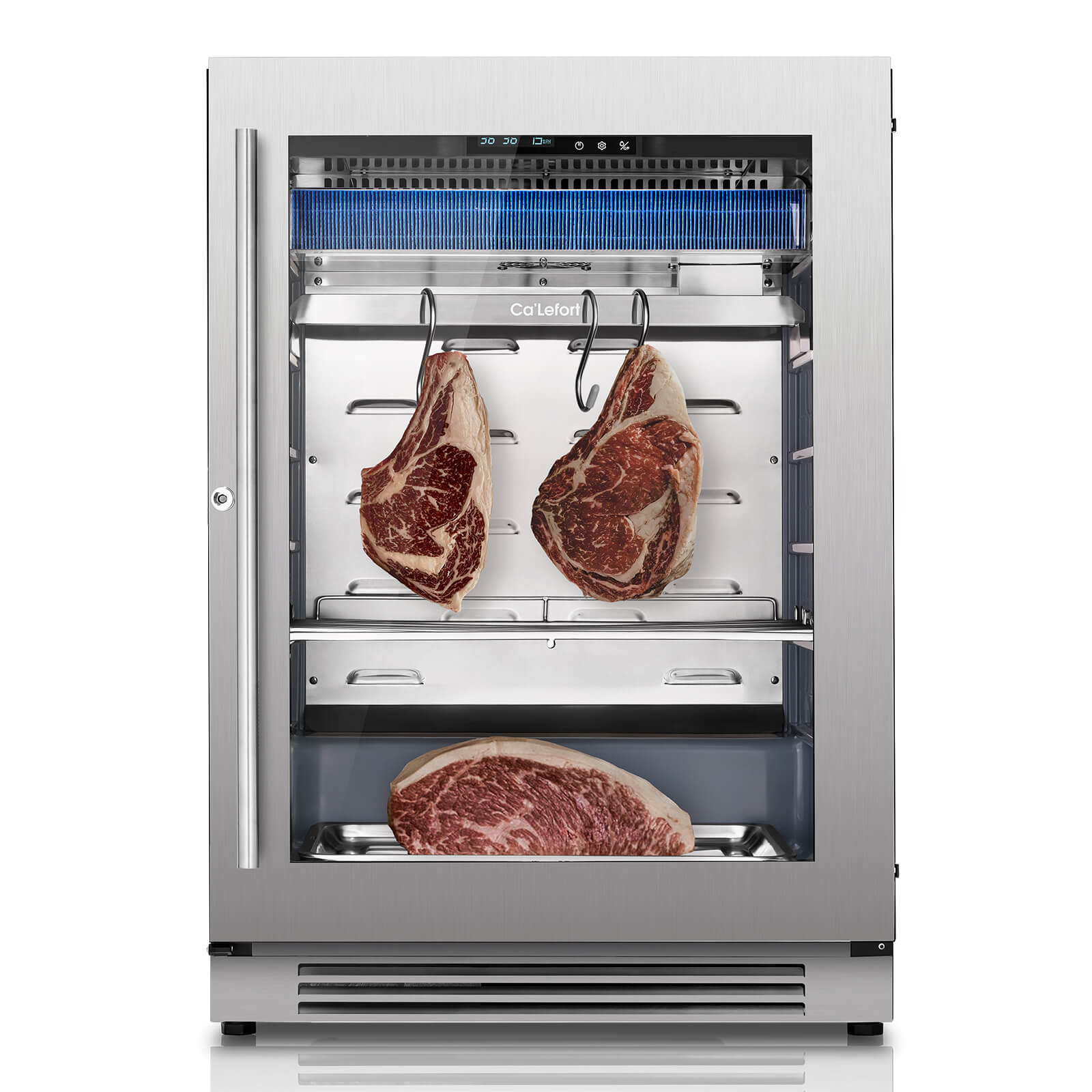
Dry Age Fridge VI60SA
Ten Mistakes That Can Unbalance the Dinner
- Choosing steak based only on price or size. Consider your guest count, portion needs, and cooking space.
-
Assuming longer aging always means better quality. Flavor and texture depend on more than the number of aging days.
-
Using a heavy marinade. Strong seasonings can cover the flavors developed during dry aging.
-
Serving too many rich sides. Several cream-, cheese-, and butter-heavy dishes can make the meal feel overwhelming.
-
Choosing wine by grape variety alone. Consider the steak's fat, savory character, sauce, and season.
-
Decanting every red wine for too long. Some wines benefit from aeration, while others need very little.
-
Letting red wine become too warm. Pay attention to serving temperature, especially outdoors.
-
Overfilling glasses or using glasses with lingering odors. Both can affect the wine-drinking experience.
-
Preparing the sides and wine too late. Coordinate everything so it's ready when the steak has rested.
- Slicing the steak too early. Wait until close to serving to help preserve its warmth and moisture.
Three Seasonal Menus You Can Adapt
A Classic Fall Dinner
Serve a thick dry-aged ribeye with roasted mushrooms, root vegetables, a lightly dressed bitter-green salad, and a small amount of herb butter.
For the wine, consider Rioja Reserva, Syrah, or Cabernet Sauvignon with some bottle development, served in a Bordeaux-style glass.
The mushrooms and mature wine complement the steak's savory character, while the salad brings freshness that keeps the dinner from feeling too heavy.
A Summer Outdoor Dinner
Pair dry-aged New York strip with chimichurri, grilled corn, and a tomato salad.
Malbec, Rioja Crianza, or medium-bodied Syrah works well with the grilled flavors. Lightly chill the wine before serving, particularly on warmer evenings.
Keep the bottle out of direct sunlight rather than leaving it on a warm outdoor table throughout dinner. The herbs, acidity, and grilled ingredients already bring plenty of character to the meal without needing an overly powerful wine.
A Formal Winter Dinner
Make a porterhouse the shared centerpiece, accompanied by mashed potatoes, roasted vegetables, and a restrained red-wine reduction.
Pair it with a mature Bordeaux blend, Brunello, or a structured Cabernet Sauvignon whose tannins have begun to soften.
Open the wine early enough to check its condition. If decanting is needed, base the decision on how the wine is showing rather than its age alone.
Let Every Choice Support the Same Result
A well-planned dry-aged steak dinner comes down to balance. The beef's aged character should remain noticeable, the sides should bring contrast, and the wine should complement the steak's fat, savory flavors, crust, and sauce. Just as importantly, each part of the meal should reach the table at the right temperature and time.
If you prepare dry-aged steak only occasionally, start with a trusted supplier, a reliable thermometer, a simple menu, and a realistic cooking schedule. If you're interested in managing the aging process yourself, take time to understand the requirements of dedicated dry-aging equipment, stable wine storage, and the ongoing care involved.
With thoughtful preparation, you can enjoy a dry-aged steak dinner that feels considered, comfortable, and enjoyable from the first course to the last.
Frequently Asked Questions
1. Can dry-aged steak be frozen before the dinner?
Yes. If you can't cook the steak within its recommended refrigerated storage period, freezing is generally a better option than keeping it in the refrigerator for longer.
Wrap the steak securely to limit air exposure and help prevent freezer burn. When you're ready to cook, thaw it slowly in the refrigerator rather than on the countertop.
FoodSafety.gov lists three to five days as the general refrigerated storage period for fresh steaks kept at 40°F or below. Its freezer guideline of four to twelve months, at 0°F or below, refers to maintaining quality.
For dry-aged beef, follow the butcher's or packaging instructions for storage dates and handling.
2. How should I handle different doneness preferences at the same dinner?
If your guests prefer different levels of doneness, cooking several smaller steaks may be easier than preparing one large shared cut.
You can also use a larger steak and adjust its exposure to heat during cooking, although this offers less precise control.
Avoid slicing a shared steak too early and returning individual pieces to the pan, as this can lead to uneven cooking and moisture loss.
Use a thermometer to check each steak separately and keep track of which portion belongs to each guest.
A porterhouse offers two different textures through its strip and tenderloin sections, but one steak can't reliably provide several completely different levels of doneness.
3. How much wine should I plan for each steak-dinner guest?
Start by counting the guests who plan to drink wine.
A standard 750 mL bottle provides approximately five 5-ounce servings. The actual amount needed depends on pour sizes, alcohol content, and how long the dinner lasts.
The NIAAA defines approximately 5 ounces of table wine at 12% alcohol as one standard drink.
If each guest plans to have two glasses, one bottle will generally serve two to three people.
Offer water and nonalcoholic drinks as well, and keep extra unopened wine available without assuming everyone will want another glass.
4. Which nonalcoholic drinks pair well with dry-aged steak?
Nonalcoholic drinks with acidity, gentle bitterness, tannin-like structure, or carbonation can help balance the richness of dry-aged beef.
Consider unsweetened black iced tea, sparkling water with citrus peel, a low-sugar tart cherry or cranberry drink, or a structured nonalcoholic red wine.
Very sweet sodas and heavy fruit juices may overpower the steak's more subtle aged flavors.
Serve nonalcoholic options at suitable temperatures and in appropriate glassware so every guest can enjoy a thoughtfully paired drink.
5. How should leftover dry-aged steak be refrigerated?
Refrigerate leftover steak within two hours of cooking, or within one hour if the surrounding temperature is above 90°F.
For larger portions, divide the meat into smaller pieces and store them in shallow, covered containers so they cool more quickly.
Avoid leaving cooked steak at room temperature until it feels completely cold.
The USDA recommends using most cooked meat leftovers within three to four days. Refrigeration slows bacterial growth but doesn't stop it entirely.


