

Key Takeaways
- Placement matters as much as capacity. A wine or beverage fridge should fit how people actually move through the home, not just where there happens to be space.
- Different rooms call for different cooling solutions. A kitchen island, a home bar, a basement, and a covered patio each have their own needs.
- For everyday use, placing it near the kitchen island or dining area usually works best.
- If you host often, a dedicated beverage zone away from the main kitchen can help keep the space calmer for everyone.
- Planning a renovation? Choose the appliance before cabinetry is finalized, not after.
When people start shopping for a wine fridge or beverage fridge, they usually compare capacity, size, temperature zones, and price first.
Those details matter. But once the fridge is in the home, the real difference often comes down to placement.
In many American homes, the kitchen is no longer just a place to cook. It connects to the dining room, living room, home bar, and backyard patio. Weekend dinners, casual drinks, a bottle of white wine before a meal, summer barbecues, or a kitchen remodel can all turn wine and beverage storage into a real space-planning question.
When placed well, a wine or beverage fridge is not just another appliance. It becomes a natural service point, one that makes daily drinks, wine service, hosting, and outdoor gatherings feel easier and more considered.
So before settling on a model, the better question is not, "Which one holds the most?" It is: Which part of the home should this fridge support?
Why Placement Matters More Than Most People Think
A wine fridge or beverage fridge may look like a single-purpose appliance. In daily life, it becomes part of how the home flows.
The main kitchen refrigerator already carries a lot: groceries, leftovers, dairy, produce, condiments, and everyday staples. Once beer, sparkling water, soda, white wine, Champagne, and party drinks are added, space can get crowded quickly.
That is why many households start thinking about a dedicated wine or beverage fridge. It is not about making a statement. It is about giving different drinks and bottles a more practical place to live.
For families who cook often, a dedicated cooling point near the kitchen can make meal prep, wine service, and hosting feel calmer. For people who entertain regularly, a beverage area near the home bar or dining room can cut down on trips back to the kitchen. For homeowners planning a remodel, the fridge should be part of the conversation before cabinetry is finalized, not something squeezed in afterward.
Good placement makes it easy to reach for a bottle, top off a glass, and serve guests without thinking about it. Poor placement can leave an appliance that looks useful but feels awkward in everyday use.
For Design-Led Homeowners: Connecting the Kitchen, Dining Room, Living Room, and Patio
Many homeowners with a strong design sensibility do not choose appliances based on function alone. They also care about how a product fits into the room.
These homes often include an open kitchen, a kitchen island, a built-in bar, a dining area, a butler's pantry, a covered patio, or an ongoing renovation plan. The owner may not be chasing a showroom look, but they care about materials, cabinetry, lighting, door lines, hardware, and the overall feel of the space.
For this type of homeowner, a wine fridge or beverage fridge should not look like it was added at the last minute. It should feel like part of the room.

Near the Kitchen Island: Best for Everyday Access
In many homes, the kitchen island is one of the busiest spots in the house. It is where people prep food, open wine, set out appetizers, catch up with friends, or gather before dinner.
A built-in wine fridge or undercounter beverage fridge near the island can make daily use easier. White wine, sparkling water, beer, juice, and soda no longer have to compete with groceries in the main refrigerator. During dinner prep, a bottle is easy to reach without stepping away from the stove, and guests do not have to open the family fridge for a drink.
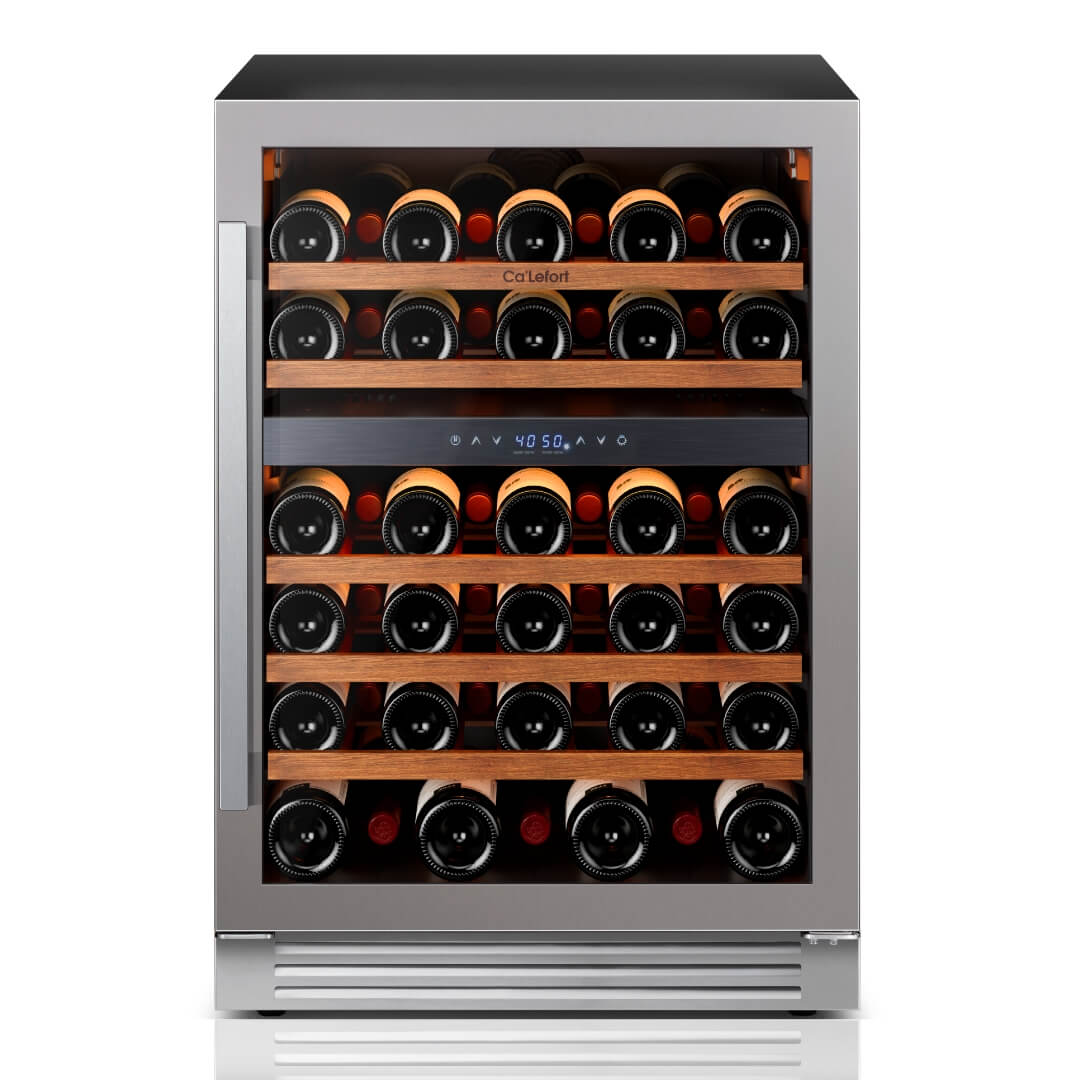
Ca'Lefort 24 inch Dual Zone Wine Fridge
This setup works especially well when the kitchen doubles as a casual gathering space. Before committing to a location, check the door swing, walkway width, handle clearance, and nearby cabinets or drawers.
The fridge should not just fit the space. It should feel easy to live with.
Between the Kitchen and Dining Room: Best for Wine Service
If the dining room sits close to the kitchen, the space between them is often one of the most natural places for a wine fridge.
This is not just about storage. It is about the path from bottle to table. Before dinner, the host can pull a bottle, open it, and bring it straight to the dining room. During the meal, reaching for another bottle does not mean leaving the room for long.

A wine fridge near the dining room makes opening and serving wine feel like part of the meal rather than a separate task. For households that enjoy different styles, a dual-zone wine fridge can help organize reds, whites, sparkling wines, and rosés around the way the household actually drinks.
The point is not to make things feel overly curated. It is to make dinner feel easier, calmer, and more intentional.
Near the Living Room or Home Bar: Best for Self-Serve Entertaining
A home bar does not have to be a formal cocktail station. In many homes, it is simply a place where people gather, pour drinks, and spend time before or after a meal.
Adding a beverage fridge, or a wine and beverage combo unit, can make this area more useful. For movie nights, game days, casual drinks, or friends stopping by, guests can help themselves without wandering into the main kitchen.

This is often where a beverage fridge earns its place. It is less about long-term wine storage and more about keeping everyday drinks organized and ready. A wine and beverage combo fridge can hold dinner wines on one side and beer, sparkling water, or non-alcoholic options on the other.
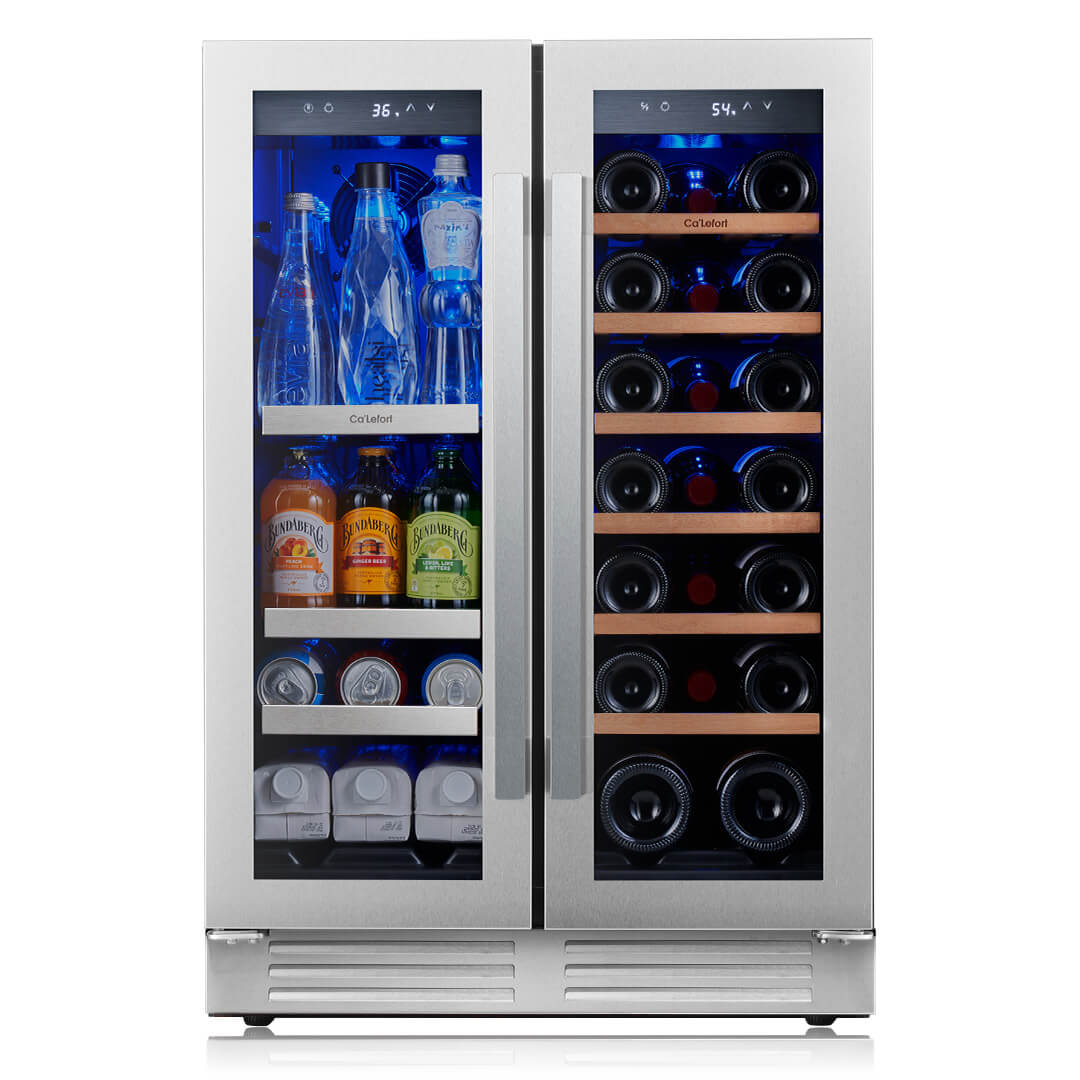
24'' Dual Zone Wine and Beverage Fridge
For homeowners who entertain often but are not building a full wine cellar, this setup tends to match real life better than a single-purpose appliance.
Between the Kitchen and Covered Patio: Best for Indoor-Outdoor Entertaining
Some of the most valuable living space in an American home is not always indoors.
A covered patio, deck, backyard, pool area, or outdoor kitchen can become a second dining room for much of the year. In states like California, Arizona, Texas, Colorado, and Florida, indoor-outdoor living is simply part of how families gather.
If your home regularly hosts barbecues, brunches, pool days, or backyard dinners, placing a beverage fridge near the kitchen-to-patio transition can make a real difference.

Drinks can be chilled ahead of time. Guests can grab something on the way outside. The host does not have to keep stepping back to the main refrigerator while grilling, serving food, or sitting with guests.
This kind of placement turns a beverage fridge into part of the indoor-outdoor flow. It is not just a kitchen appliance. It becomes a quiet service point connecting the kitchen, dining area, and patio, one that helps the shared areas of the home work together naturally.
For Serious Enthusiasts: Building Around Wine, Cooking, and Hosting
Another type of homeowner approaches wine and beverage storage from a more specialized angle.
They may collect wine, cook seriously, enjoy dry-aged steak, or host dinners with a greater degree of intention. For them, the appliance is not just part of the décor. It supports a way of living they care about.
These homeowners are often comfortable placing equipment in a pantry, garage, basement, prep kitchen, wine room, or dedicated bar if that is where it makes the most sense. The product does not always need to disappear behind cabinetry. It just needs to do its job well.
Wine Collectors Need More Stable Storage
If you keep a few bottles for casual drinking, a regular kitchen refrigerator may work fine in the short term. But once wine becomes something you buy, organize, save, and serve with intention, the main refrigerator is usually not the right place for it.
It is opened throughout the day, often colder than wine needs, and already full of food. This makes it difficult to organize bottles by style, occasion, or drinking window.
A dedicated wine fridge gives bottles a more suitable home. Everyday wines may belong near the kitchen or dining room. Bottles you are aging or saving for a special occasion are often better in a quieter, darker, more stable part of the home. Dinner wines should stay close enough to serve without disrupting the meal.
Storing wine well is not about tucking it away. It is about matching where it lives to how the household actually drinks and entertains.
Home Chefs and Steak Lovers Need a Prep-to-Serve Flow
For serious home cooks, food does not simply move from the refrigerator to the stove. A full steak night or barbecue dinner might involve the pantry, kitchen island, grill, dining table, and drink service all at once.

In that context, a wine fridge, beverage fridge, or dry-aging fridge becomes part of a larger cooking system. A dry-aging fridge supports controlled meat preparation. A wine fridge near the dining area supports pairing and serving. A beverage fridge near the kitchen or patio keeps beer, sparkling water, and non-alcoholic options ready without crowding the main refrigerator.
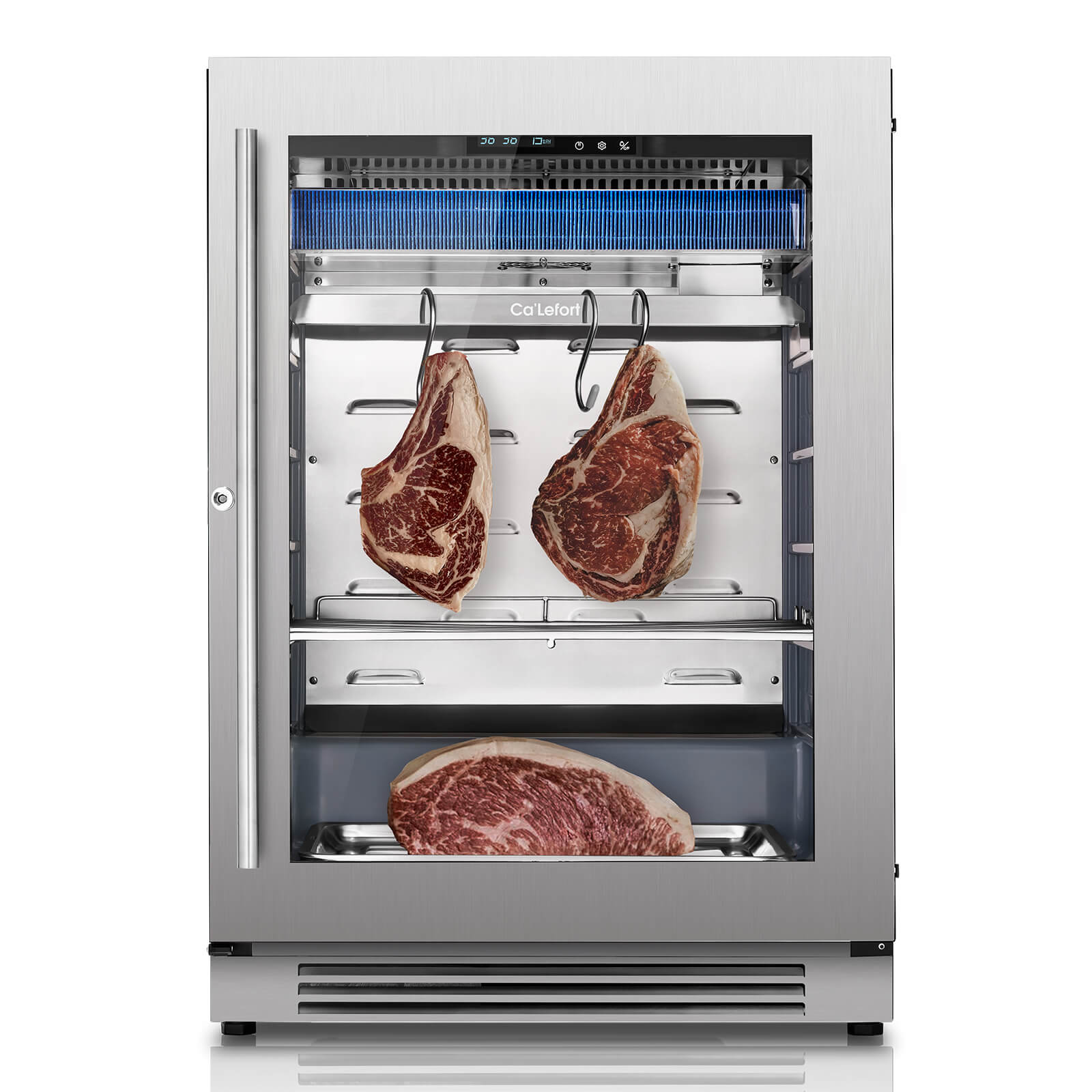
Dry Age Fridge VI60SA
This type of homeowner is not looking for vague lifestyle promises. They want a setup that helps them cook, serve, and host more consistently.
Basement Bars and Entertainment Rooms Need Their Own Cooling Point
Many single-family homes include a basement, media room, game room, or secondary entertaining space. When that room is far from the kitchen, relying solely on the main refrigerator becomes inconvenient.
A beverage fridge in a basement bar or entertainment room lets the space work on its own. Beer, soda, sparkling water, juice, and a few bottles of wine can stay close to where people actually gather.
If the space is mainly used for casual entertaining, a beverage fridge is often the most practical choice. If it also serves as a wine-tasting area or home bar, a wine and beverage combo unit may offer more flexibility. For larger collections, a dedicated wine fridge may still make the most sense.
For larger homes, one cooling point may not be enough. A kitchen fridge, bar fridge, and dedicated wine storage area can each serve a different purpose.
Patios, Barbecue Areas, and Outdoor Kitchens Need Placement Near the Action
For many home cooks and hosts, the gathering eventually moves outside. A covered patio becomes the dining room. A backyard grill becomes the cooking zone. A pool area becomes the weekend gathering spot.
If beverage storage is too far away, people simply will not use it the way they intended. The host ends up going back inside repeatedly, guests are unsure where to find drinks, and the main kitchen gets crowded even though the party is outdoors.
A better approach is to place beverage storage near the patio door, outdoor kitchen, poolside serving area, or indoor-outdoor transition point. The right location depends on the home, weather exposure, installation conditions, and how people naturally move through the space.
For outdoor or semi-outdoor setups, confirm power access, ventilation, shade, flooring, and installation requirements before making the final decision.
Put cold drinks where people will actually reach for them. Everything else follows from there.
Which Cooling Solution Fits Each Space?
Different homes need different cooling setups. A compact kitchen, a renovated open-plan home, a basement bar, and a patio-focused house will not approach cold storage the same way.
An open kitchen or kitchen island usually works well with a built-in wine fridge, undercounter beverage fridge, or wine and beverage combo unit, especially when daily access is the priority.
| Home Area | Best Solution | Why It Works |
|---|---|---|
| Kitchen Island | Built-in Wine Fridge / Undercounter Beverage Fridge | Keeps drinks within reach for daily cooking and casual hosting |
| Dining Room | Wine Fridge | Makes wine service smoother during dinner and gatherings |
| Home Bar / Living Room | Beverage Fridge / Wine & Beverage Fridge | Supports self-serve entertaining and reduces kitchen traffic |
| Covered Patio / Outdoor Transition | Freestanding Beverage Fridge | Keeps drinks accessible for indoor–outdoor entertaining |
| Basement / Media Room | Beverage Fridge / Combo Unit | Creates an independent entertainment zone |
| Wine Room / Storage Corner | Dedicated Wine Fridge | Maintains a stable environment for wine collections |
| Pantry / Prep Kitchen | Wine Fridge / Beverage Fridge | Keeps storage hidden while improving kitchen workflow |
| Remodel / Custom Build | Panel-Ready Refrigeration | Blends seamlessly into custom cabinetry design |
| Outdoor Kitchen / Pool Area | Beverage Fridge | Keeps drinks close to outdoor activity zones |
A dining room sideboard, nearby cabinet area, or home bar is better suited for wine service and self-serve entertaining. These spaces make it easier to open wine, offer drinks, and keep guests from gathering around the main refrigerator.
A butler's pantry, basement bar, media room, or wine room may call for something more dedicated. Built-in or panel-ready refrigeration works well for concealed storage and prep space, while a standalone wine fridge offers better organization for a growing collection.
For covered patios, outdoor kitchens, poolside areas, or backyard entertaining, beverage storage should be placed where people actually gather. Keep drinks easy to reach without pulling everyone back into the main kitchen.
For kitchen remodels, custom cabinetry, or new construction, built-in and panel-ready options should be reviewed early, ideally in conversation with the designer, contractor, or cabinetmaker.
How to Choose Based on Your Home Type
Every home is a little different, so the right placement usually comes down to how the space is actually used.
An open-plan home with a kitchen, dining room, living room, and patio tends to work best when the cooling point sits where those spaces naturally meet: near the island, along the dining room edge, at the home bar, or close to the patio door.
A basement bar or dedicated entertainment room needs its own solution. Relying on a fridge one floor up does not work well in practice. A beverage fridge or wine and beverage combo unit keeps drinks where the gathering actually happens.
For wine collectors, serious cooks, or anyone who hosts with a bit more intention, it helps to think through the full flow before choosing a location: where bottles are stored, where food is prepared, where drinks are chilled, and where guests tend to land.
Anyone working with a designer, contractor, or cabinetmaker should confirm the appliance early. Dimensions, ventilation, outlet placement, door swing, and panel requirements can all affect how the installation comes together. Changing course late in a project is rarely simple.
Homes with a patio, pool, deck, or outdoor kitchen are a category of their own. The fridge that gets used is the one closest to where people actually spend their time outside.
Final Thoughts: Think in Zones, Not Just Appliances
The real value of a wine fridge or beverage fridge is not simply extra cold storage. It is that it makes a specific part of the home work better.
For some homes, that means connecting the kitchen, dining room, living room, and patio. For others, it means supporting a wine collection, steak nights, outdoor cooking, or a home bar. In a remodel, it may also become part of the cabinetry, panel design, and installation plan.
Before choosing a model, think about where you usually open wine, where guests naturally reach for drinks, whether the main refrigerator is already stretched, and how the fridge fits into your home's daily rhythm.
The best cooling solution is not always the biggest or most visible one. It is the one placed where it quietly supports cooking, hosting, wine service, outdoor gatherings, and the everyday routines that make a home feel complete.
Frequently Asked Questions
1. Can a wine fridge go under a counter?
Yes, but only if the model is designed for built-in or undercounter installation.
Not every wine fridge is meant to be placed inside cabinetry. Before installing one under a counter, check the ventilation type, cutout dimensions, outlet location, door swing, and required clearance. If you are planning a kitchen remodel or custom cabinetry, confirm the appliance size before cabinets are finalized.
2. Is a dual-zone wine fridge worth it?
If you mainly store one type of wine, a single-zone fridge is usually enough.
If you regularly keep red wine, white wine, Champagne, or rosé at the same time, a dual-zone model gives you more flexibility. It helps you organize wines by serving preference, which is especially useful for dinner parties and regular entertaining.
It is not necessary for every household, but it can make a real difference for homes that enjoy a wider range of wines.
3. Where should I avoid placing a wine fridge?
Avoid direct sunlight, proximity to an oven or cooktop, heating vents, appliances that generate significant vibration, and areas with poor ventilation.
Wine benefits from a stable, low-light, low-vibration environment. For longer-term storage, choose a location that stays consistent and is not heavily disturbed throughout the day.
4. Should wine bottles be stored on their side or upright?
Cork-sealed bottles are generally better stored on their side for longer periods, as it helps keep the cork from drying out.
For short-term storage, upright is usually fine. Screw-cap bottles and ready-to-drink wines can be stored more flexibly, depending on the bottle and shelf design.
5. Do I need a beverage fridge if I already have a regular refrigerator?
Not always.
If you keep a modest number of drinks at home, a regular refrigerator is likely enough. But if the main fridge is regularly crowded with beer, sparkling water, soda, juice, or drinks for guests, a dedicated beverage fridge can help keep things organized and easier to access.
6. When should I choose a wine fridge or beverage fridge during a kitchen remodel?
As early as possible, ideally before cabinetry and electrical plans are finalized.
The fridge can affect cutout dimensions, cabinet design, outlet placement, ventilation, and door clearance. Choosing it too late can limit your options or require changes to the overall project.


