

Key Takeaways
- Father’s Day can become a slower weekend ritual, not just a single-day celebration.
- A wine fridge helps anchor the preparation, keeping each bottle ready for the right moment.
- Wine pairing gives the meal structure without making the menu complicated.
- Dry-aged beef can add depth to the dining experience without becoming a separate theme.
- A meaningful ritual comes from preparation, sharing, and conversation, not from overplanning.
1. A Weekend Ritual Built Around Father’s Day
Father’s Day does not have to be limited to one day. Often, what people remember most is not only the gift, but the experience created around it.
Instead of treating it as a single event, Father’s Day can become a slower weekend ritual. Preparing a meal, choosing the wine, and setting the table naturally create a sense of rhythm at home.
It does not take much. Someone opens the wine. Someone prepares the food. Someone sets the space. As the pace slows down, conversation often begins to follow on its own.

2. The Wine Fridge as the Center of Preparation
Here, the wine fridge is not just storage. It becomes part of the quiet preparation behind the meal.
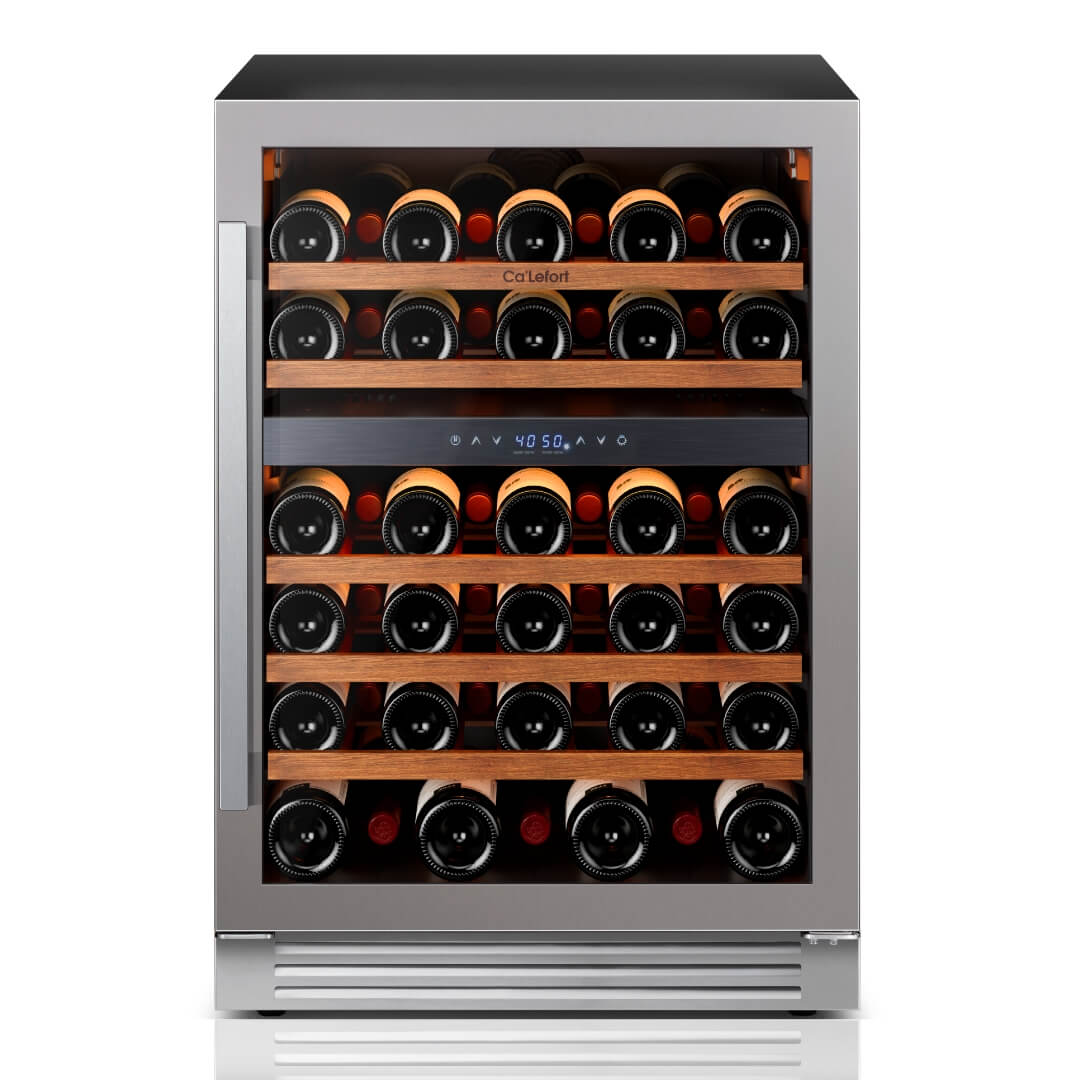
Ca'Lefort 24 inch Dual Zone Wine Fridge
3. Building the Father’s Day Dinner Around Wine Pairing
Wine does not need to feel like an extra detail. It can gently guide the structure of the meal.
A simple lineup often feels more inviting than an elaborate menu. The goal is clarity, not complexity.
4. From Steak to Dry-Aged Beef: A Natural Upgrade
A traditional steak is already enough for a satisfying dinner. But a small upgrade can change the entire tone of the meal.
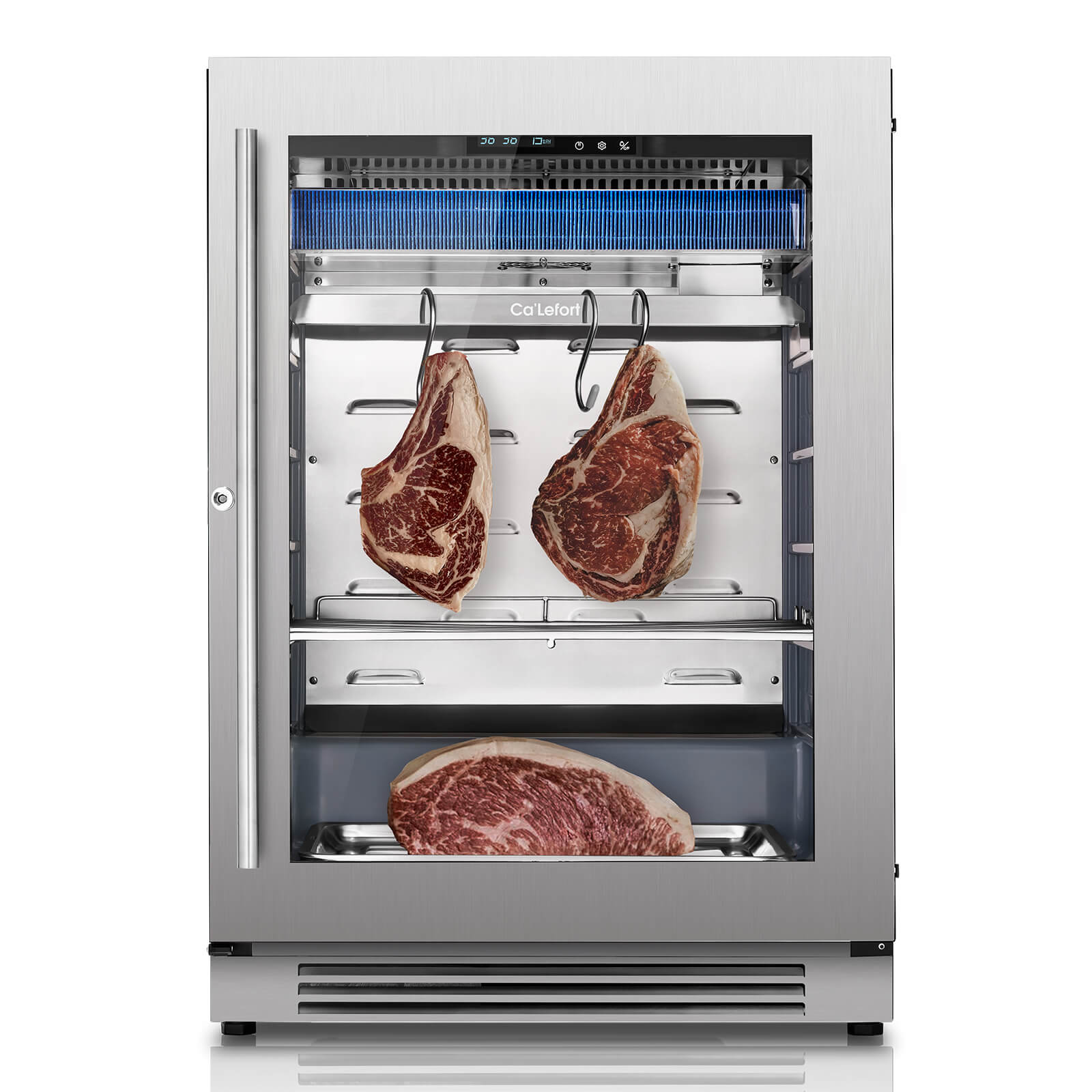
Dry Age Fridge VI60SA
Dry-aged beef brings a deeper, more concentrated flavor that naturally pairs with wine.

This process is typically supported by a controlled environment such as a Dry Age Fridge, which allows beef to develop character over time.
When wine is ready and beef has been properly aged, the dinner feels complete without feeling complicated.
5. Creating a Calm and Intimate Dining Atmosphere
Good atmosphere usually comes from restraint, not decoration.
Warm lighting, a wooden table, and minimal tableware are often enough. If music is used, keep it soft and unobtrusive.
The goal is simple: let the table become the focus.
6. The Wine Moment: Pouring, Sharing, and Conversation
The evening often begins when the bottle is opened.
Pouring wine and sharing it naturally creates rhythm in conversation.
Stories and memories appear naturally when the environment feels right.
7. Extending the Weekend Experience
Father’s Day does not need a sharp ending.
Saturday can be preparation. Sunday becomes the main dinner. After that, the evening fades naturally into conversation.
This continuity is what turns a meal into a memory.
Frequently Asked Questions
1. What is the difference between dry-aged steak and regular steak?
Dry-aged steak has a deeper flavor and firmer texture because it goes through a controlled aging process. During this time, moisture is gradually reduced, and natural enzymes help tenderize the meat. Regular steak is usually fresher in taste, milder in flavor, and more straightforward.
If you want a deeper comparison of dry and wet aging, you can read more here: Dry Aging vs Wet Aging: Do You Need a Dry Age Fridge?
2. Does opening wine affect the taste experience over a Father’s Day weekend?
Yes. Once opened, wine gradually reacts with oxygen, which can slowly change its aroma and flavor. Over a weekend, lighter wines may lose freshness more quickly, while fuller-bodied wines are generally more stable when properly resealed and stored.
If you want a deeper look at how long opened wine stays fresh and how to store it properly, you can read more here: How Long Does Wine Last After Opening? Storage Tips Explained
3. What time of day is best for a Father’s Day dinner at home?
The best time for a Father’s Day dinner at home is usually late afternoon to early evening, around 5 to 7 p.m.
This timing allows the meal to feel relaxed, avoids the feeling of rushing after a full day, and naturally extends into a slower evening with family conversation and wine.
4. Do different wine types require different storage temperatures at home?
Yes. Different wine types generally benefit from different serving and storage temperatures. White and sparkling wines are usually kept cooler to preserve freshness and acidity, while red wines are typically served slightly warmer to support aroma and structure.
For everyday home use, though, a stable and controlled environment is often more important than trying to manage every bottle perfectly. This is where a wine fridge can help, keeping bottles in better condition until they are ready to serve.
5. Can you taste the difference between dry-aged and regular steak easily?
Yes, most people can notice the difference between dry-aged and regular steak, especially when tasting them side by side. Dry-aged steak usually has a deeper, more concentrated flavor and a slightly firmer texture, while regular steak tends to taste lighter, fresher, and more straightforward.


