

Key Takeaways
- A wine fridge is no longer reserved for serious collectors. It has become a practical option for storing and serving wine at home.
- Regular refrigerators are designed primarily for food, not for keeping wine at a consistent temperature over time.
- A wine fridge gives bottles a more stable environment while freeing up space in the main refrigerator.
- Open kitchens, home bars, dining areas, and entertainment spaces have made dedicated beverage storage more useful.
- The right wine fridge depends on how you enjoy wine, how often you entertain, and where the appliance fits into your daily routine.
Introduction
A wine fridge was once seen as a specialty appliance for serious collectors or homes with a dedicated bar or wine cellar. For many households, a regular refrigerator seemed sufficient, and wine was simply placed inside when needed.
That view has gradually shifted. Wine fridges are now appearing in kitchens, dining rooms, home bars, and entertainment spaces, not simply as an optional upgrade, but as a practical part of how wine is stored and served at home.

This change is not simply about drinking more wine. It reflects how homes are used today. Beverage choices are more varied, kitchens are more open, and gathering at home has become a regular part of everyday life.
As homes are increasingly shaped around cooking, serving, and spending time together, the value of a wine fridge goes beyond keeping bottles cool. It creates a dedicated place where wine can be stored more consistently, organized more clearly, and reached more easily.
1. Home Beverage Storage Is Becoming More Thoughtful and Organized
For a long time, beverage storage at home was simple: anything that needed to stay cold went into the main refrigerator. Water, juice, beer, milk, leftovers, and the occasional opened bottle of wine all shared the same space. This worked well enough for households with straightforward beverage needs.
Today, many homes keep a wider range of drinks on hand, including red, white, and sparkling wine, beer, sparkling water, nonalcoholic options, and everyday soft drinks. Although they may all be considered beverages, they are not necessarily stored, served, or accessed in the same way.
Red wine does not benefit from extended storage at standard refrigerator temperatures, while white and sparkling wines are typically served cooler. Beer, sparkling water, and soft drinks are often chilled for immediate enjoyment, while wine benefits from a steadier environment. A regular refrigerator can hold all of these, but placing everything together can make the space crowded and harder to navigate.
This is where a wine fridge can be useful. It does more than provide additional cooling capacity. By separating wine from the food and everyday items in the main refrigerator, it gives bottles a dedicated place with fewer interruptions and more consistent conditions.
The more useful question, then, is not whether a regular refrigerator can hold wine. It is whether it is the most suitable place to store wine as part of your everyday routine.
2. The Kitchen Is Becoming the Center of Home Life, Not Just a Cooking Space
The role of the kitchen has changed considerably in many homes, particularly in North America, where open-concept layouts have become increasingly common. The kitchen is no longer always a closed-off workspace. It often connects directly with the dining room, living area, home bar, or outdoor patio.
As a result, the kitchen is no longer used only for cooking. It is also where families talk, guests gather, drinks are served, and everyday moments unfold. The kitchen island may still be a place for food preparation, but in many homes, it has also become a natural gathering point.
In this kind of layout, the location of beverage storage matters. When every bottle or drink is kept in the main refrigerator, guests and family members may need to move through the cooking area each time they want something. During meal preparation or a gathering, that extra traffic can interrupt the natural flow of the space.

A wine fridge can help by placing bottles closer to where they are served. It may be built into a kitchen island, placed in a sideboard, integrated into a home bar, or added to an entertainment area. This allows wine service to feel more natural while keeping the main refrigerator available for food and everyday essentials.
This is one reason wine fridges are becoming a more thoughtful part of home planning. Their value lies not only in how they store wine, but also in how they support the connection between the kitchen, dining room, and living area.
3. Home Entertaining Is Changing How Beverages Are Used
The growing interest in wine fridges is also connected to the way people entertain at home. Weekend dinners, holiday gatherings, and relaxed evenings with friends often feel more comfortable and personal than formal dining out.
In these moments, beverages become part of the rhythm of hosting. Is the wine at a good serving temperature? Is it easy to reach? Can guests help themselves without stepping into the main cooking area?
A regular refrigerator provides a place to keep wine cold, but it may not offer the most convenient access during a gathering. It is often already filled with ingredients, prepared dishes, desserts, condiments, and other essentials. Adding several bottles can make the space feel crowded and make items harder to find.

A wine fridge keeps bottles together and ready to serve while making them easier for the host or guests to reach. For households that entertain regularly, that convenience can make hosting feel calmer and more effortless.
In this sense, a wine fridge supports both storage and serving. It gives wine a dedicated place before a gathering and keeps it within easy reach once the evening begins.
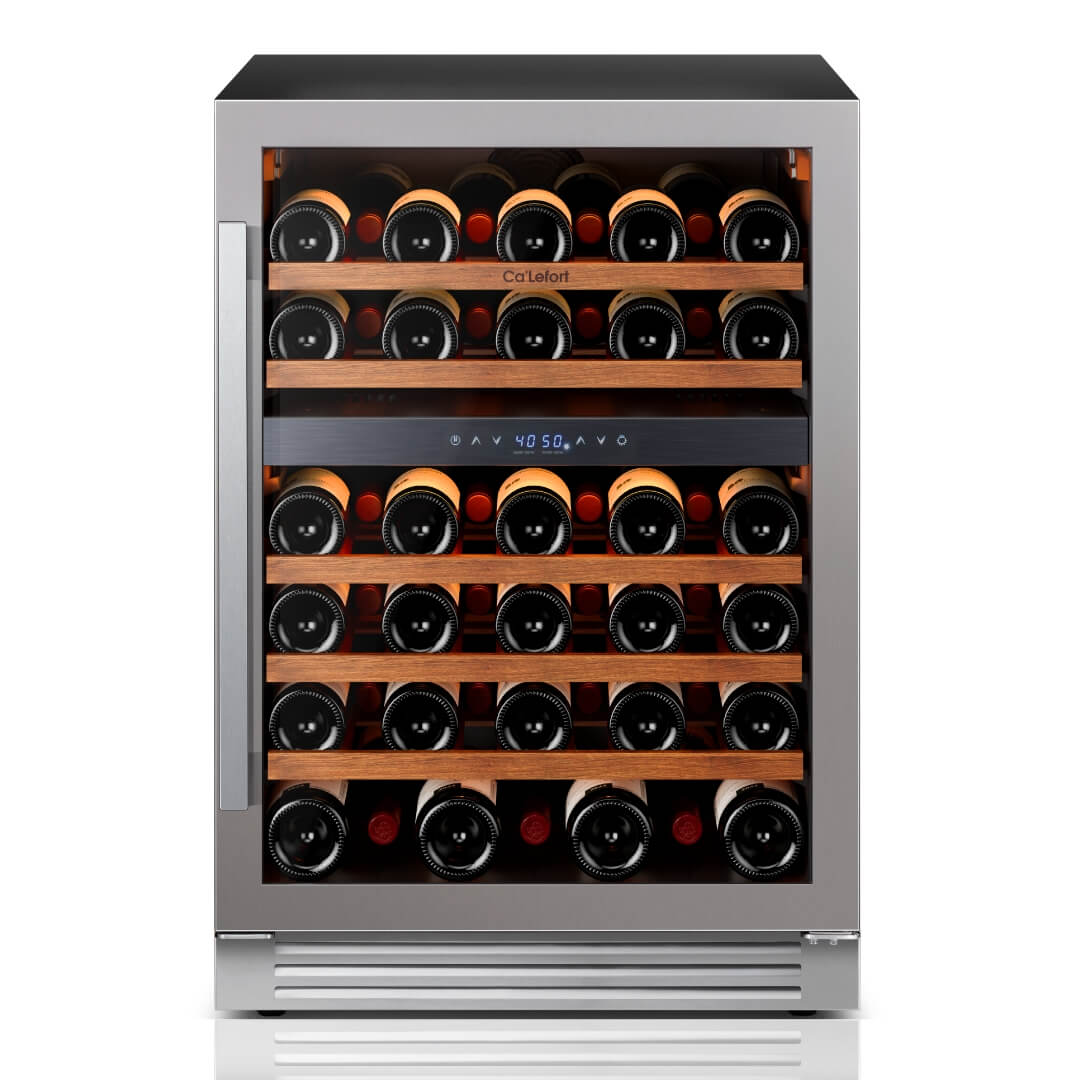
Ca'Lefort 24 inch Dual Zone Wine Fridge
4. Why a Regular Refrigerator Is Not Quite the Same
At first glance, a regular refrigerator and a wine fridge serve a similar purpose: both keep their contents cool. However, they are designed around different priorities.
A regular refrigerator is made to preserve a wide variety of foods. It needs to accommodate vegetables, fruit, meat, dairy products, leftovers, drinks, and other everyday items. Its temperature, shelving, and airflow are designed for general food storage and frequent use.
A wine fridge has a more focused purpose. Rather than making bottles as cold as possible, it is designed to keep them at a more suitable and consistent temperature, with fewer everyday interruptions.
Regular Refrigerator vs. Wine Fridge: What Changes at Home
| Comparison Point | Regular Refrigerator | Wine Fridge |
|---|---|---|
| Primary Role | Food storage and daily refrigeration | Wine storage and serving support |
| Temperature Logic | Keeps food cold | Keeps wine at a steadier, more suitable temperature |
| Daily Use | Opened frequently throughout the day | Opened less often and with more intention |
| Storage Environment | Shared with groceries, leftovers, and condiments | Dedicated mainly to bottles |
| Best Use Case | Everyday food, drinks, and essentials | Wine storage, serving flow, and home entertaining |
Temperature: Staying Cold vs. Staying Steady
A regular refrigerator typically runs colder than wine actually needs. Red wine, in particular, is generally served warmer than standard refrigerator temperatures, allowing its aromas and flavors to come through more clearly. When wine has been stored in a standard refrigerator, it often needs time to warm up before it is ready to pour.
The temperature inside a regular refrigerator also shifts throughout the day. Family members open the door to get water, take out ingredients, put away leftovers, or look for snacks. Each opening lets warmer air in, and the appliance works to bring the temperature back down. These changes are part of normal refrigerator use, but they make the space less consistent than a dedicated wine fridge.
The value of a wine fridge is not that it keeps wine colder. It is that it holds a steadier temperature. For bottles you plan to enjoy soon, this keeps wine closer to where you want it when you are ready to pour. For bottles stored over a longer period, it provides a more consistent environment with fewer temperature swings along the way.

How Often the Door Opens
The main refrigerator is one of the most-used appliances in the home. It gets opened in the morning for milk, at lunch for ingredients, in the evening for leftovers, and throughout the day for drinks and snacks. It is built for that kind of constant activity.
A wine fridge is usually opened less often and with more intention, such as when you are choosing a bottle for dinner or restocking after a trip to the store. It does not get filled with groceries or rearranged every few hours, so the conditions inside stay more stable.
The two appliances simply support different patterns of use. A regular refrigerator is built for frequent access and variety. A wine fridge is designed to provide steadier conditions with fewer interruptions.
Airflow and Odor Conditions Are Different
The inside of a regular refrigerator contains many kinds of food, including cooked dishes, dairy products, onions, seafood, and condiments. Even when everything is properly covered, the space can take on a mix of scents over time.
Sealed wine bottles are generally well protected, but storing wine alongside food can make organization and temperature consistency more difficult. Bottles may also need to be moved whenever groceries are restocked or space gets tight.
A wine fridge offers a simpler environment devoted primarily to bottles. There are no leftovers or groceries competing for space, and the shelves are arranged with wine storage in mind. For everyday use, the difference often feels less like luxury and more like having a place for everything.
Conclusion
Wine fridges are no longer viewed only as luxury appliances. Their role has evolved as more households look for a stable, organized, and convenient way to store and serve wine.
A regular refrigerator remains essential for food storage, but it is not designed around the particular needs of wine or the way bottles are served. A wine fridge fills that gap by giving wine a dedicated place and making everyday enjoyment and home entertaining easier to manage.
Seen this way, a wine fridge is less about display or status and more about creating a home that feels considered, comfortable, and easy to live in.
Frequently Asked Questions
1. Can a wine fridge store both red and white wine?
Yes. A wine fridge can store both red and white wine, but the best setup depends on the model and how you plan to use it. A single-zone wine fridge keeps all bottles at one temperature, making it a practical option for general storage. If you prefer to keep red and white wines closer to their respective serving temperatures, a dual-zone model may be a better fit.
2. Is a wine fridge a good fit for a dining room or home bar?
Yes. A dining room or home bar can be a practical location because it places wine close to where it is usually served. Rather than returning to the main refrigerator during dinner or while hosting, you can keep bottles within the natural flow of the space. For more placement inspiration, see our guide to Wine and Beverage Fridge Ideas for Every Home Space.
3. Can a wine fridge be used as a beverage fridge?
It can hold some other beverages, but it is not always a direct replacement for a beverage fridge. Wine fridges are designed around wine bottles, with shelving and temperature settings suited to wine storage. If you mainly keep cans, beer, sparkling water, or soft drinks, a beverage fridge will usually give you more flexible shelving and colder temperature options.
4. Should I buy a wine fridge before or after a kitchen renovation?
It is best to select the wine fridge before the renovation details are finalized, especially if you are considering a built-in or undercounter model. The cutout size, ventilation clearance, outlet placement, and door swing all need to match the unit you choose. You do not necessarily need to purchase the appliance first, but those specifications should be confirmed before the cabinetry is built.
5. What temperature should a wine fridge be set to at home?
For general storage, 55°F (13°C) is a good place to start, particularly for a single-zone wine fridge. Serving preferences vary, but red wine is often enjoyed around 55–65°F (13–18°C), white wine around 45–50°F (7–10°C), and sparkling wine or Champagne around 40–45°F (4–7°C). The goal is not to make wine as cold as possible, but to keep it at a steady, suitable temperature.


