

Key Takeaways
- How you store wine at home affects the drinking experience more than most people realize.
- Standard kitchen refrigerators are usually too cold and too dry for anything beyond short-term chilling.
- Red and white wines do not taste their best at the same temperature.
- The biggest advantage of a wine fridge is consistency, not collecting.
- More homeowners are using dual-zone wine fridges to keep wine ready for dinner parties and weekends.
- Stable temperature matters more than simply keeping wine cold.

Many people put real thought into choosing a bottle of wine.
They look into regions and vintages, stop by a wine shop, or pick up a bottle based on a restaurant recommendation.
Why Wine Storage Matters More Than Most People Think
Wine does not stop reacting to its environment once it is bottled. Temperature, light, humidity, and vibration can all shape how it tastes over time.
In most homes, temperature swings are the biggest issue.
Modern kitchens warm up throughout the day, especially in open-concept layouts or during summer. Apartments and smaller homes can see even wider changes depending on sunlight, insulation, and air conditioning cycles.
None of this instantly ruins a bottle. But over time, unstable storage can affect how the wine tastes when you open it.
Reds can start to feel flat or overly warm. Whites can lose their freshness faster than expected.
This is one reason wine often tastes better in restaurants or wine bars. In many cases, the wine itself is not different — the storage conditions and proper wine serving temperature are simply more consistent.
Good wine storage is less about collecting and more about keeping things steady.
The Most Common Mistakes When Storing Wine
The most common mistake is storing wine in a standard kitchen refrigerator for too long.
A regular refrigerator is designed for food, not wine. It runs colder than ideal for wine storage, the humidity is usually low, and the door gets opened throughout the day.
For a quick pre-dinner chill, that is fine. For anything longer, it can create a less consistent wine experience.
Why Standard Refrigerators Often Don’t Work Well for Wine
White wine often becomes overly cold, which suppresses aroma and texture. Red wine stored the same way can feel tight and muted.
The opposite problem happens just as often.
Many people leave wine at room temperature year-round without realizing modern homes are usually much warmer than traditional wine cellar environments, especially during summer.
Then there is the last-minute approach most households know well. A bottle gets placed in the refrigerator shortly before dinner because nobody planned ahead. Sometimes it barely chills. Other times it becomes ice cold and completely closes up.
It is still drinkable, just not at its best.
Red and White Wine Do Not Always Need the Same Conditions
Red wines generally benefit from slightly warmer conditions that allow aromas and texture to open naturally in the glass.
White wines, sparkling wines, and rosés usually show better freshness and acidity at cooler temperatures.
Why Dual-Zone Wine Fridges Are Becoming More Popular
This is one of the main reasons dual-zone wine fridges have become more common in everyday homes.
For households that regularly keep both reds and whites, separate temperature zones simply make things easier. Whites stay crisp and ready to pour, while reds remain slightly cooler than room temperature without feeling overly warm.
It is not about making wine storage more complicated. It is about keeping different styles closer to where they drink well.

Why More Homeowners Are Using Wine Fridges
Wine fridges have become increasingly common over the last few years, not necessarily because people suddenly became collectors.
Most homeowners simply want a more reliable and convenient way to store wine at home.
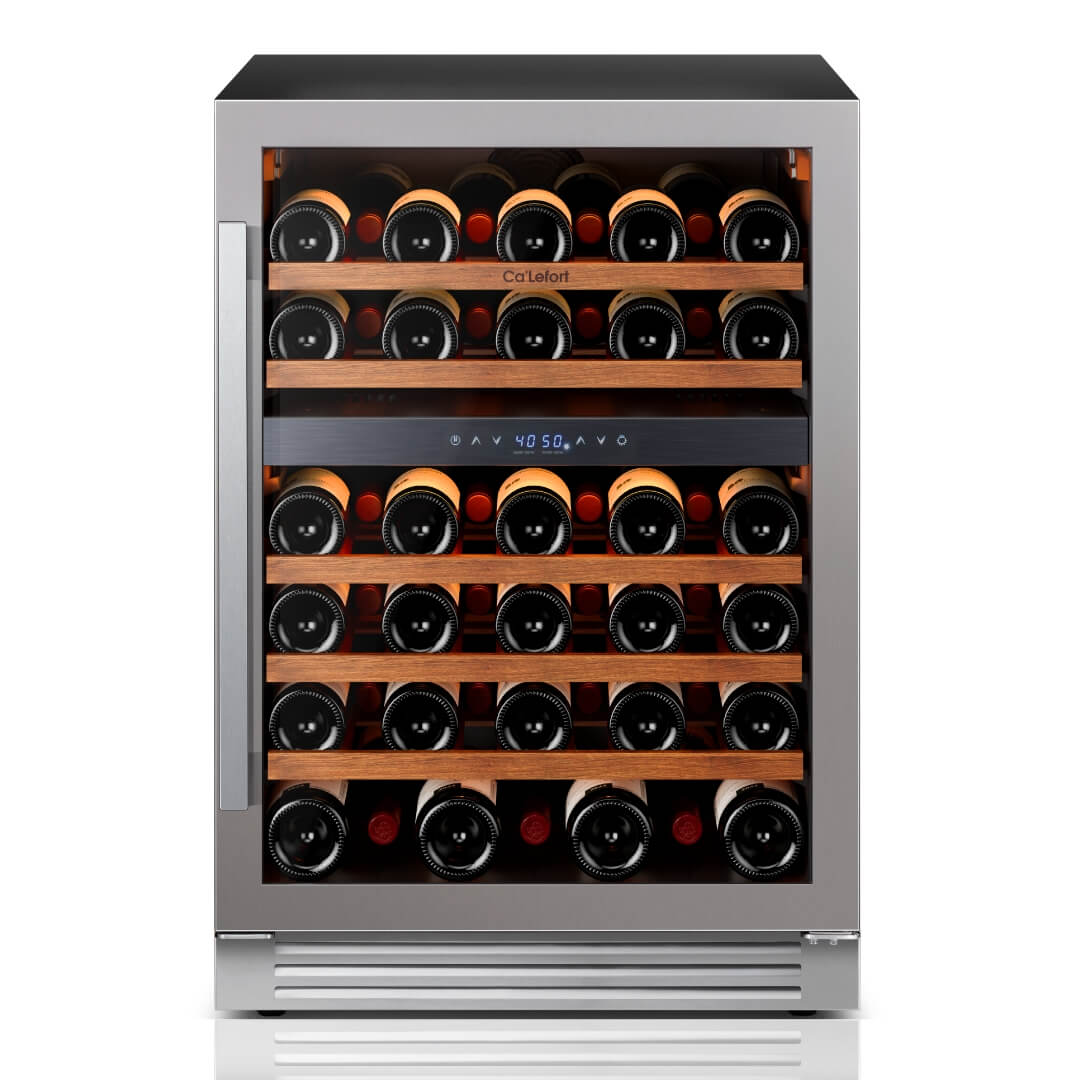
Ca'Lefort 24 inch Dual Zone Wine Fridge
Stable Temperature Matters More Than Extreme Cold
The biggest difference is consistency.
A wine fridge keeps bottles in a more controlled environment than a standard kitchen refrigerator or countertop storage area. Temperatures stay steadier, bottles remain organized, and wines are usually much closer to ready-to-serve condition.
That changes the drinking experience more than most people expect.
Instead of rushing to chill something before guests arrive, the wine is already there. White wines feel crisp instead of icy. Reds stay balanced without becoming overly warm.
Better Wine Storage for Entertaining and Weekend Gatherings
Hosting also becomes easier when wine no longer has to compete with groceries, leftovers, and everyday drinks inside the main refrigerator.
Many homeowners now use wine and beverage fridges to keep wine, sparkling water, beer, and mixers together in one organized entertaining area.
Built-in wine fridges have followed the same trend. They have become less of a specialty item and more of a considered part of the kitchen, dining room, or home bar.
Where to Store Wine at Home
The right location depends partly on how often the wine will be opened.
For short-term storage, keeping a few bottles in the kitchen is usually fine as long as they stay away from direct sunlight and major heat sources.
Countertop storage near a window, though, tends to work against you. Temperatures can change too much throughout the day, especially in rooms with strong sun exposure.
Best Places to Store Wine at Home
Dining rooms, home bars, and basements usually provide more stable environments. Basements, in particular, tend to stay cooler throughout the year.
For households that drink wine regularly, a dedicated wine fridge remains the most reliable option because it combines convenience with the kind of consistency that other spots in the home cannot always provide.
That balance is exactly why more homeowners are adding wine fridges to kitchens, dining spaces, and home bars.
Keeping Wine Ready for the Moments That Actually Matter
Most people are not opening wine randomly during the middle of the week.
Wine usually comes out during:
- Friday dinners
- Weekend gatherings
- Holidays
- Dinner parties
- Wine nights with friends
That is exactly why “ready to pour” matters.

Creating a More Relaxed Wine Experience at Home
A good home wine setup is not necessarily about storing hundreds of bottles. It is about keeping a small selection consistently ready to enjoy without extra planning.
Many experienced wine drinkers naturally develop a rhythm around this. Whites stay chilled and ready. Reds remain slightly cooler than room temperature. Favorite bottles stay easy to reach instead of being buried somewhere in the back of the refrigerator.
That one small shift changes the whole feel of an evening.
Wine becomes part of the flow, not a last-minute thing to sort out before guests arrive.
Final Thoughts
Good wine storage is not about turning your home into a professional cellar.
It is simpler than that. It is about keeping bottles in the right conditions, so they are ready when you actually want to open them. Sometimes that means a compact wine fridge. Sometimes it means a larger dual-zone setup for households that entertain often.
Either way, properly stored wine usually drinks better than a bottle left to chance on a warm counter or crowded into an overfilled refrigerator.
Frequently Asked Questions
Does wine need to be stored on its side?
For short-term storage, upright bottles are usually fine. For longer-term storage, cork-sealed wines are generally better stored on their side to help keep the cork from drying out and reduce the risk of issues like cork taint in wine over time.
How long can opened wine stay fresh?
Most opened wines hold up reasonably well for two to five days, depending on the style. Keeping the bottle sealed and refrigerated usually helps preserve freshness longer, especially if you follow proper wine storage tips after opening.
Does vibration affect wine over time?
Small, occasional movement is not a concern. Constant vibration over a long period may disturb sediment and affect aging stability, mostly for bottles intended for long-term cellaring.
Is it okay to keep wine in the kitchen?
For a few days, yes, as long as bottles stay away from heat sources and direct sunlight. For longer storage, kitchens tend to run too warm and too variable to be reliable.


