

- A built-in wine fridge installation is not simply about fitting an appliance into an available space. It requires thoughtful planning around the kitchen layout, daily routines, and the overall design of the home.
- The right wine fridge location can make everyday access more convenient, support a smoother entertaining flow, and help the appliance feel like a natural part of the space.
- Cabinet dimensions, electrical access, ventilation requirements, and door clearance should all be considered before installation begins.
- A panel-ready wine fridge allows the appliance to blend with custom cabinetry and contribute to a more cohesive kitchen design.
- In a modern home, a thoughtfully placed wine fridge does more than store bottles. It can create a natural connection between the kitchen, dining area, and other entertaining spaces.
Introduction
Wine fridges were once viewed mainly as specialty appliances for dedicated collectors. As a result, many homeowners considered adding one only after their kitchen renovation was complete. In modern homes, particularly those with open-concept kitchens, custom cabinetry, or carefully planned entertaining spaces, wine fridge placement is best considered during the design stage rather than treated as a final addition.
Today’s kitchen is more than a place for cooking. It often serves as a central space for everyday routines, family interaction, and entertaining. According to NKBA Reveals Design Trends Report Forecasting the Future of Kitchen & Bath Design, modern kitchen design is increasingly focused on multifunctional layouts and connected spaces that support the way homeowners live.
A built-in wine fridge installation is therefore about more than finding the right cabinet opening. It requires an understanding of how wine storage fits into the kitchen workflow, entertaining habits, and the wider design of the home. With thoughtful planning, a wine fridge can connect storage, serving, and everyday enjoyment without feeling like an afterthought.

1. Why Wine Fridge Location Should Be Planned Before a Kitchen Remodel
For a built-in wine fridge, the installation location should ideally be determined before cabinetry is ordered and construction begins. Unlike a countertop appliance, a built-in unit needs to work with the cabinet structure, electrical layout, ventilation requirements, and movement through the room.
Homeowners often begin by choosing cabinet styles, countertops, and finishes, assuming the wine fridge can be addressed later. Delaying the decision, however, may create unnecessary limitations, including:
- Cabinet openings that do not match the required dimensions.
- Electrical access that does not support the intended location.
- Insufficient room for the door to open comfortably.
- An installation that feels visually disconnected from the surrounding cabinetry.
A successful installation is not simply about making the appliance fit. It is about creating a considered relationship between the wine fridge, the kitchen layout, and the way the space is used.
For example, a wine fridge placed near a kitchen island can support both meal preparation and dining. It allows homeowners to select a bottle without interrupting the primary cooking area. A location near the dining room or home bar can make wine storage a more natural part of hosting.
The best location is not simply wherever space happens to be available. It is the location that reflects how people move through, gather in, and enjoy the home.
Planning the installation early helps homeowners and designers:
- Account for the appliance’s installation requirements.
- Create a more integrated kitchen design.
- Develop a space that can support changing lifestyle needs over time.
2. Key Factors to Consider Before Installing a Built-In Wine Fridge
Choosing the general location is only the beginning. A successful built-in wine fridge installation also depends on the conditions that support reliable performance and comfortable daily use.
A thoughtful kitchen plan asks more than:
“Can the appliance fit here?”
It also considers:
“How will this appliance work within the space?”
Cabinet construction, electrical access, ventilation, and movement around the appliance should all be addressed before construction begins.
For this reason, many custom residential projects account for wine fridges and other built-in appliances during the initial kitchen design phase rather than treating them as later additions.
2.1 Cabinet Dimensions and Space Planning: Making the Wine Fridge Part of the Kitchen Design
The foundation of a built-in wine fridge installation is the relationship between the appliance dimensions and the surrounding cabinetry. Homeowners may focus on the product specifications while overlooking how the wine fridge will interact with the rest of the kitchen.
A successful installation involves more than determining whether the appliance can physically fit inside an opening. Cabinet proportions, surrounding workspace, movement through the room, and everyday activities all influence whether the final placement feels practical.
Modern kitchen planning has gradually moved beyond rigid layouts focused only on cooking efficiency. Designers increasingly organize kitchens into functional zones for preparation, cooking, cleaning, storage, serving, and gathering.
As discussed in Designers Say the “Kitchen Work Triangle” Is Officially Out. Here’s What They’re Doing Instead, many designers now supplement the traditional work triangle with flexible zones that better reflect how households use their kitchens.
For a built-in wine fridge, this means evaluating the location according to both technical requirements and everyday routines.
Width Planning
Width determines whether the wine fridge can sit comfortably within the surrounding cabinetry.
In kitchen islands, custom cabinets, and built-in bar areas, coordinating the width with nearby doors and drawers can help maintain visual balance.
A properly integrated wine fridge should feel intentional, as though it was considered from the beginning of the kitchen plan. When the proportions are inconsistent, even a well-designed appliance may appear separate from the surrounding space.
Height Planning
Height affects both installation and visual continuity.
In custom kitchen designs, the wine fridge may need to align with nearby cabinetry, countertop levels, or other built-in appliances.
Thoughtful height planning allows the appliance to settle naturally into the room. Poor alignment, by comparison, can interrupt the clean horizontal and vertical lines that often define a modern kitchen.
Depth Planning
Depth is another factor that can easily be underestimated.
The opening must provide enough room for the appliance, but planning should also account for:
- Door movement.
- Comfortable bottle access.
- Traffic around the appliance.
This becomes particularly important in kitchen islands, narrow walkways, and compact layouts where every inch influences usability.
The goal is not simply to fill the available space. It is to find a balance between storage, access, movement, and visual integration.
2.2 Ventilation and Installation Environment: Supporting Long-Term Performance
When planning a built-in wine fridge installation, it is natural to focus on how the appliance will look within the kitchen. Visual integration matters, but the surrounding environment also plays an important role in how the appliance performs over time.
A wine fridge regulates the temperature inside its cabinet through a cooling system. During operation, that system produces heat that must be released according to the appliance’s specific ventilation design.
A successful built-in installation therefore balances two priorities:
Design integration and appropriate operating conditions.
The wine fridge should feel like a natural part of the cabinetry while remaining installed in a way that supports reliable operation.
Before installation, homeowners, designers, and contractors should confirm:
- The ventilation requirements for the selected model.
- The structure of the surrounding cabinetry.
- Any required installation clearances.
- Access for future maintenance or service.
These details should be checked against the manufacturer’s installation instructions, as requirements can vary between models.
A cabinet opening may look suitable while failing to provide the conditions required for installation. Addressing these details after the kitchen has been completed can lead to avoidable adjustments.
Experienced designers typically coordinate cabinetry, appliances, electrical access, and construction details before installation begins. The goal is not simply to place an appliance inside a cabinet. It is to create an environment where each element works properly while contributing to the overall design.
2.3 Electrical Planning: Why Early Coordination Matters
Electrical planning is another important part of a built-in wine fridge installation and should be addressed before construction begins.
During a kitchen renovation, homeowners often spend considerable time selecting cabinetry, countertops, lighting, and appliances. When the wine fridge location has not been finalized early enough, however, electrical placement may limit the available options.
For example, a homeowner may plan to install a wine fridge beneath a kitchen island or inside a custom bar, only to discover that the electrical layout does not support the intended location.
Early planning allows designers and contractors to coordinate:
- Appliance placement.
- Electrical access.
- Cabinet construction.
- Future service access.
For new construction and extensive kitchen renovations, this coordination provides greater flexibility and can reduce the need for later modifications.
More importantly, it allows the wine fridge to become part of the original kitchen design rather than something that must be adapted to an already finished space.
2.4 Door Clearance and Everyday Accessibility: Designing for Real Use
A successful wine fridge installation is not measured only by whether the appliance fits inside the cabinet opening.
The true test is how comfortably it can be used each day.
Wine storage often involves more interaction than placing and removing a single item. Homeowners may regularly:
- Browse their bottle collection.
- Select wine for a meal or occasion.
- Organize newly purchased bottles.
- Prepare wine service while entertaining.
The location should therefore allow comfortable access and natural movement around the open door.
A wine fridge positioned near the dining area or a kitchen preparation zone can create a smoother sequence:
Kitchen Preparation → Wine Storage → Dining
This reduces unnecessary movement and allows wine service to become part of the broader entertaining flow.
By contrast, a wine fridge placed in an available but disconnected corner may be less convenient in daily use.
The best location is not necessarily the most concealed. It is the one that supports the way the household lives.

3. Best Locations for a Built-In Wine Fridge in Modern Homes
No single installation location will suit every home. The right placement depends on the homeowner’s routines, the architecture of the space, and how wine is typically enjoyed or shared.
Several locations can offer a practical balance of accessibility, visual integration, and connection to everyday living.
3.1 Kitchen Island: Connecting Daily Living and Entertaining
The kitchen island has become one of the most versatile elements in an open-concept kitchen.
Beyond providing a preparation surface, it often serves as a gathering place where family members cook, talk, eat, and spend time together.
Installing a wine fridge in the island or nearby cabinetry can create a convenient connection between food preparation and wine service.
This placement can work particularly well for homeowners who regularly enjoy wine at home, providing easy access during:
- Meal preparation.
- Casual dinners.
- Weekend gatherings.
From a design perspective, integrating the wine fridge into the island can also help establish a more intentional layout. Rather than separating wine storage from everyday activity, the appliance becomes part of the natural rhythm of the room.
When considering an island installation, it is important to account for walkway width, door clearance, electrical access, and the specific ventilation requirements of the selected model.
3.2 Butler’s Pantry: A Dedicated Space for Preparation and Hosting
For larger homes and custom renovation projects, a butler’s pantry can be a practical location for a wine fridge.
Traditionally, a butler’s pantry serves as a transition between the kitchen and dining area, providing additional space for storage, preparation, and serving.
A wine fridge in this area can support a more organized hosting flow:
Kitchen Preparation → Butler’s Pantry → Dining Area
This arrangement allows the main kitchen to remain focused on cooking while related tasks, such as selecting, opening, and serving wine, take place nearby.
For homeowners who regularly host family dinners, holiday gatherings, or more formal meals, a wine fridge in the butler’s pantry can offer convenient access without adding activity to the main cooking area.
3.3 Home Bar: Creating a Dedicated Wine Experience Space
A home bar provides a dedicated setting for relaxing, spending time with guests, and enjoying a bottle at a more leisurely pace.
Integrating a wine fridge into this area allows storage and serving to take place within the same environment.
A well-planned home bar can support:
- Quiet evenings at home.
- Conversations with guests.
- Informal wine tastings.
- Weekend entertaining.
For wine enthusiasts, the value of this space is not simply in displaying bottles. It lies in creating a setting where wine can become part of an everyday ritual or shared occasion.
The wine fridge should remain comfortably accessible from the seating and serving areas without interfering with movement through the room.
3.4 Near the Dining Area: Making Wine Service More Natural
For homeowners who most often enjoy wine with meals, a location near the dining area can create a simple and efficient serving path.
The movement becomes:
Wine Fridge → Dining Table
rather than:
Kitchen → Wine Fridge → Dining Table
Reducing unnecessary movement can make hosting feel more relaxed, particularly during dinner parties or special occasions when the focus is on spending time with guests.
The appliance does not need to sit directly inside the dining room. Nearby cabinetry, a transitional area, or a built-in serving station may provide the same convenience while preserving the character of the space.
4. How Panel-Ready Wine Fridges Create a Seamless Kitchen Design
As kitchen design continues to evolve, many homeowners are looking for appliances that provide everyday functionality without interrupting the visual character of the room.
A panel-ready wine fridge can support this goal by allowing the appliance front to coordinate with the surrounding cabinetry.
The purpose of a panel-ready design is not simply to conceal an appliance. It is to help the appliance become part of the kitchen’s architecture.
NKBA’s Future Kitchen to Be Minimalistic describes a growing preference for uncluttered, easy-to-maintain kitchens. Within that context, panel-ready appliances can help preserve visual continuity across the room.

Creating Cabinet Continuity
Standard appliance finishes can create a visible break between the appliance and the surrounding cabinetry.
A panel-ready wine fridge allows the cabinet material and door style to continue across the appliance front, creating a more unified appearance.
This approach can help maintain:
- Consistent cabinet lines.
- A balanced use of materials.
- A cleaner visual flow.
In a custom kitchen, these details contribute to a space that feels considered as a whole rather than assembled one element at a time.
Supporting a More Personalized Kitchen Design
Homeowners increasingly want kitchens that reflect their routines, architectural preferences, and personal sense of style rather than follow a standard layout.
Panel-ready wine fridges give designers more flexibility because the appliance front can be coordinated with a range of interiors, including:
- Modern kitchens.
- Transitional kitchens.
- Custom residential spaces.
The result is a kitchen in which the appliance supports the design rather than visually competing with it.
Because panel construction and installation requirements vary, the appliance specifications should be reviewed with the cabinetmaker or kitchen designer before cabinetry is produced.
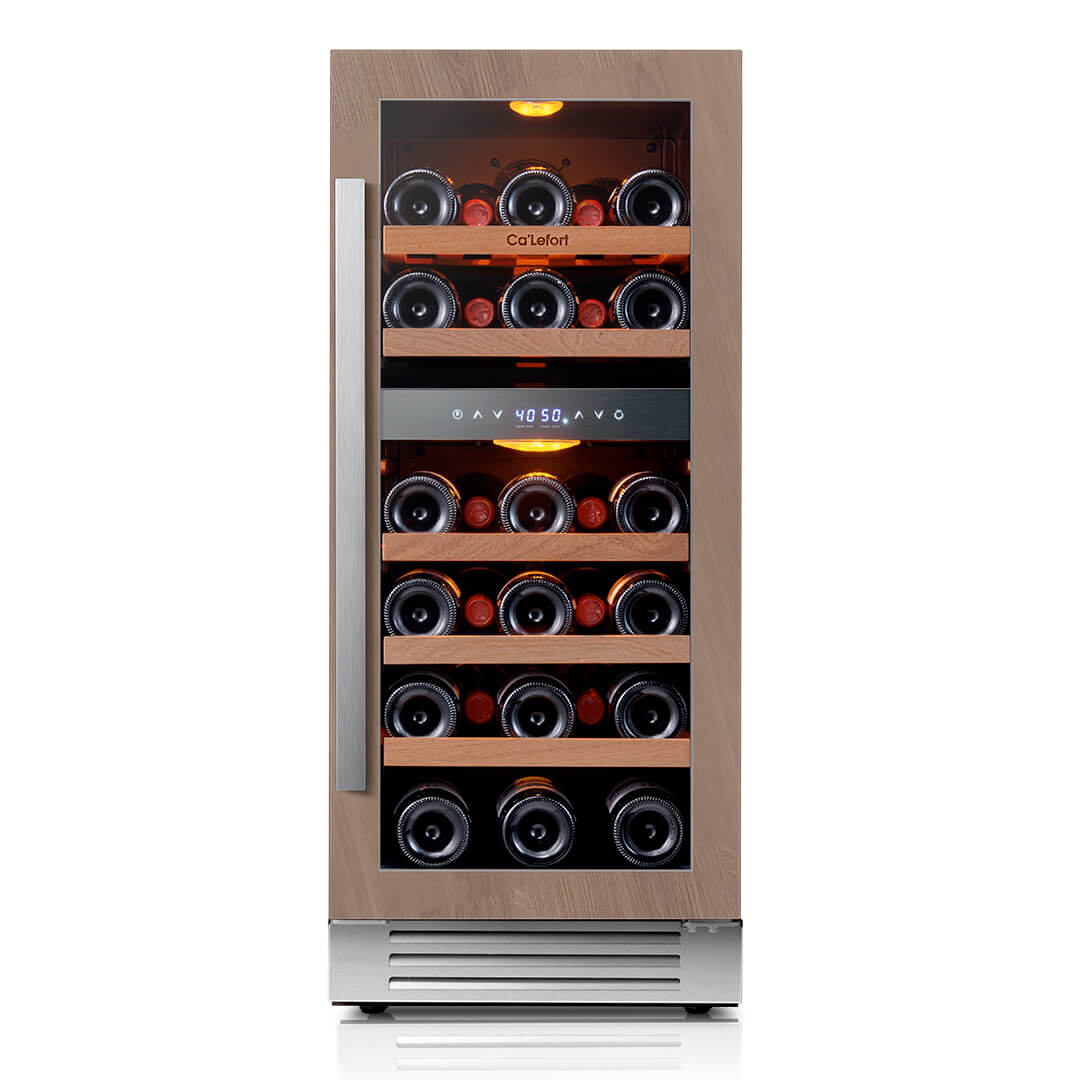
15-Inch Panel Ready Wine Fridge
5. Common Built-In Wine Fridge Installation Mistakes to Avoid
Even a thoughtfully selected wine fridge can feel inconvenient or disconnected when installation planning is overlooked.
Understanding a few common mistakes can help homeowners avoid unnecessary modifications and create a solution that works well over time.
5.1 Choosing a Wine Fridge After the Kitchen Is Finished
One of the most common mistakes is treating the wine fridge as a last-minute addition.
Once the cabinetry, electrical work, and countertops are complete, the available placement options may be more limited.
This can lead to:
- Fewer suitable model choices.
- More complicated installation work.
- An appearance that feels less integrated.
Planning the wine fridge alongside the kitchen design generally provides more flexibility and a cleaner result.
5.2 Choosing a Location Only Because Space Is Available
An empty cabinet opening does not automatically make it the right location.
Wine fridge placement should reflect:
- How often the appliance will be used.
- How the household entertains.
- Its relationship to the kitchen and dining areas.
- The amount of clearance available around the door.
A location may be technically possible but inconvenient in everyday use. Over time, that inconvenience may affect how naturally the appliance fits into the household’s routines.
5.3 Ignoring Future Lifestyle Changes
A kitchen renovation is usually planned with many years of use in mind.
The most thoughtful decisions account not only for current routines but also for the way those routines may change.
A homeowner who currently enjoys wine only occasionally may later host more gatherings, build a larger collection, or create a more dedicated entertaining area.
No design can predict every future need, but allowing reasonable flexibility can help the wine fridge remain useful as the household evolves.
5.4 Treating the Wine Fridge as an Isolated Appliance
The most cohesive kitchen designs do not treat appliances as unrelated objects.
A wine fridge should work with:
- The kitchen workflow.
- Dining and serving areas.
- Entertaining spaces.
- The wider design of the home.
When planned thoughtfully, it becomes part of how the space works rather than simply another appliance placed inside it.
6. Planning Wine Fridge Installation Before vs. After a Kitchen Remodel
| Consideration | Planned Before Remodeling | Added After Remodeling |
|---|---|---|
| Size Compatibility | Easier to coordinate with cabinetry | Limited by the existing space |
| Cabinet Coordination | Greater design flexibility | Fewer customization options |
| Electrical Planning | Can be arranged early | May require adjustments |
| Overall Appearance | More cohesive result | May appear to have been added later |
| Construction Risk | Lower likelihood of modifications | Greater likelihood of modifications |
For new kitchens and major renovations, planning the wine fridge early provides more control over both function and appearance.
This is particularly important for panel-ready models, where cabinetry coordination and installation details directly influence the finished result.
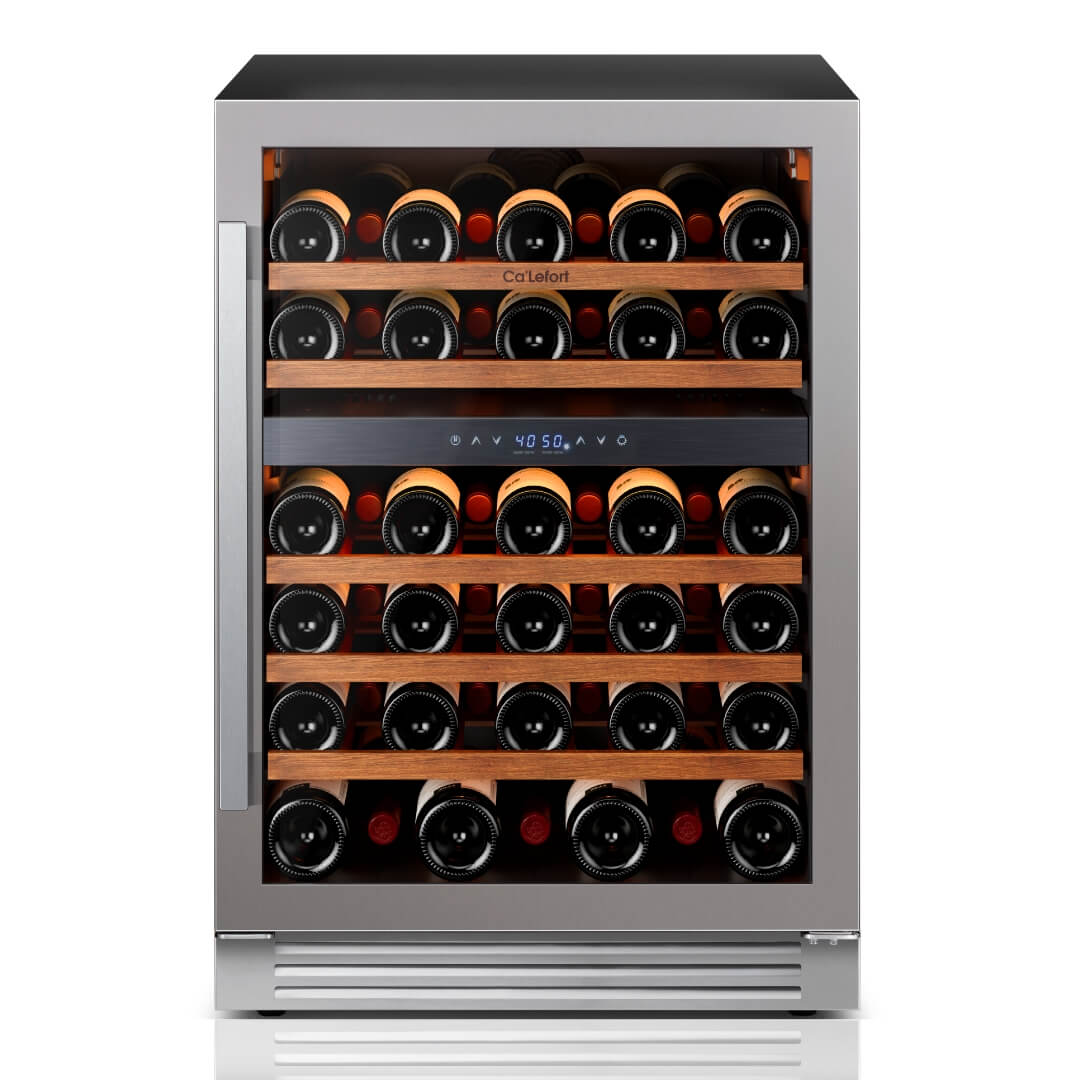
Ca'Lefort 24 inch Dual Zone Wine Fridge
7. How Designers Integrate Wine Fridges Into Modern Home Hosting Systems
One of the most meaningful shifts in residential design is the growing connection between different parts of the home.
The kitchen is no longer always treated as an isolated room. In many modern layouts, daily life moves through a connected sequence:
Kitchen → Dining → Living → Outdoor Areas
Within this flow, a wine fridge can serve as a practical link between storage and service:
Wine Storage → Everyday Access → Dining → Entertaining
The goal is not simply to add another appliance. It is to create a home that feels comfortable, functional, and aligned with the way its residents live.
This perspective is closely connected to Ca’Lefort’s approach. A wine fridge is not only a place to keep bottles. When thoughtfully integrated, it can support the routines, gatherings, and quiet moments that give a home its character.

Conclusion
A successful built-in wine fridge installation is not about finding any available space. It is about choosing a location that supports the way the home is used.
Whether the appliance is placed near a kitchen island, dining area, home bar, butler’s pantry, or another dedicated space, the location should make everyday access easier, support entertaining, and feel connected to the overall design.
By considering wine fridge placement before a kitchen remodel, homeowners can create a more functional and cohesive environment in which the appliance feels like part of the home rather than a later addition.
At Ca’Lefort, we believe thoughtful design begins with the way people live. When a wine fridge is carefully integrated into its surroundings, it can become part of the meals, conversations, and gatherings that give a home its character.
Frequently Asked Questions
1. Can I install a wine fridge after my kitchen remodel is complete?
Yes. A wine fridge can be installed after a kitchen remodel, although the available options may be more limited than they would be during the design stage.
Once the cabinetry, electrical system, and countertops are complete, adding a built-in wine fridge may require modifications to the existing structure. Homeowners will need to consider the available cabinet space, electrical access, ventilation requirements, door clearance, and whether the appliance can be incorporated without disrupting the surrounding design.
For a smaller update or freestanding installation, adding a wine fridge after the remodel may be straightforward. For a built-in or panel-ready model, planning before construction generally provides greater flexibility and a more integrated result.
2. What is the difference between a built-in wine fridge and a freestanding wine fridge?
The main difference is how each type is designed to work within the surrounding space.
A built-in wine fridge is intended for installation beneath a counter or within cabinetry, subject to the manufacturer’s ventilation and clearance requirements. This makes it suitable for remodels, custom kitchens, and areas where visual integration is important.
A freestanding wine fridge offers greater placement flexibility and can usually be relocated more easily. However, a freestanding model should not be enclosed inside cabinetry unless the manufacturer specifically approves that installation.
The two configurations address different planning needs. Built-in models prioritize integration, while freestanding models provide more flexibility.
Homeowners should also consider storage capacity, collection size, and temperature zones. Our guide, Single-Zone vs. Dual-Zone Wine Fridges: How to Choose, explains how different temperature configurations can influence the decision.
3. What temperature should a wine fridge be set at for long-term wine storage?
For long-term storage, a stable temperature is generally more important than setting the appliance as cold as possible.
Many collectors use approximately 55°F, or 13°C, as a practical setting for storing different wine styles together. Wine and Spirit Education Trust guidance places the recommended long-term storage range at approximately 50°F to 59°F, or 10°C to 15°C.
The preferred setting may vary depending on the wine, the length of storage, and whether the bottles are being stored for aging or prepared for serving.
For serving guidance, see our article, Do You Know the Ideal Serving Temperature for Different Types of Wine?
4. Is a panel-ready wine fridge worth it for a custom kitchen?
A panel-ready wine fridge is worth considering when visual continuity is an important part of the kitchen design.
The appliance can be fitted with a panel that coordinates with the surrounding cabinetry, helping it blend into the room rather than stand apart from it. This can be particularly useful in custom kitchens, open-concept homes, and projects where consistent materials and cabinet lines are a priority.
A panel-ready model requires more coordination between the appliance specifications, cabinetry, hardware, and installer. When easier installation or future placement flexibility is more important, a standard built-in or freestanding wine fridge may be the more practical choice.


